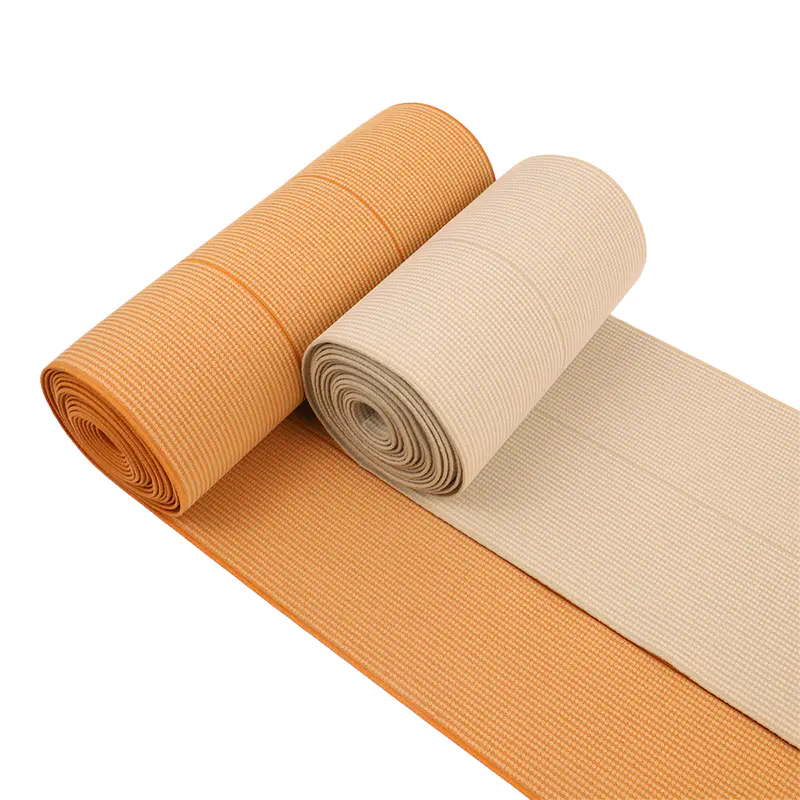

 en
en
 English
 русский
 Français
 Español
 Português
 Tiếng Việt
Content
- 1 Product Overview
- 2 Key Product Features
- 3 Advantages Compared with Lower-Quality Alternatives
- 4 Potential Applications
- 5 Materials and Textile Construction
- 6 Advanced Manufacturing Capabilities
- 7 Quality Control and Production Management
- 8 Why Manufacturer Experience Matters
- 9 Customization Options
- 10 Purchasing Considerations for Distributors and Brands
- 11 Storage, Handling, and Use Guidance
- 12 Applications in a Broader Webbing Product System
- 13 Sustainability and Responsible Production
- 14 How This Product Supports Different Customer Markets
- 15 Recommended Product Evaluation Procedure
- 16 Q&A
- 16.1 What is the main purpose of a 10cm medical elastic bandage?
- 16.2 Why is 10cm considered a practical width?
- 16.3 What are the advantages of the light beige color?
- 16.4 Is the bandage suitable for sports use?
- 16.5 How does breathability improve comfort?
- 16.6 Does high elasticity mean the bandage provides stronger compression?
- 16.7 Can the bandage be customized?
- 16.8 What quality features should buyers inspect?
- 16.9 What manufacturing equipment supports this product?
- 16.10 Does ISO 13485 automatically approve the finished bandage for every market?
- 16.11 How should the bandage be stored?
- 16.12 When should the bandage be removed or replaced?
- 16.13 Why work with an experienced elastic webbing manufacturer?
- 17 Conclusion
- 18 References
- 19 Product: 10cm Light Beige Medical Elastic Bandage
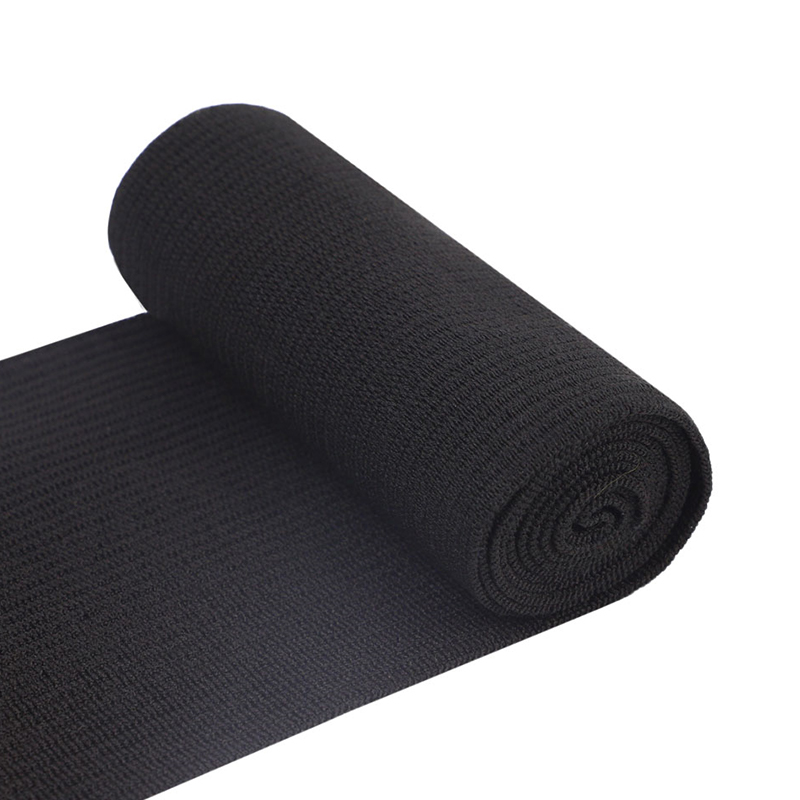
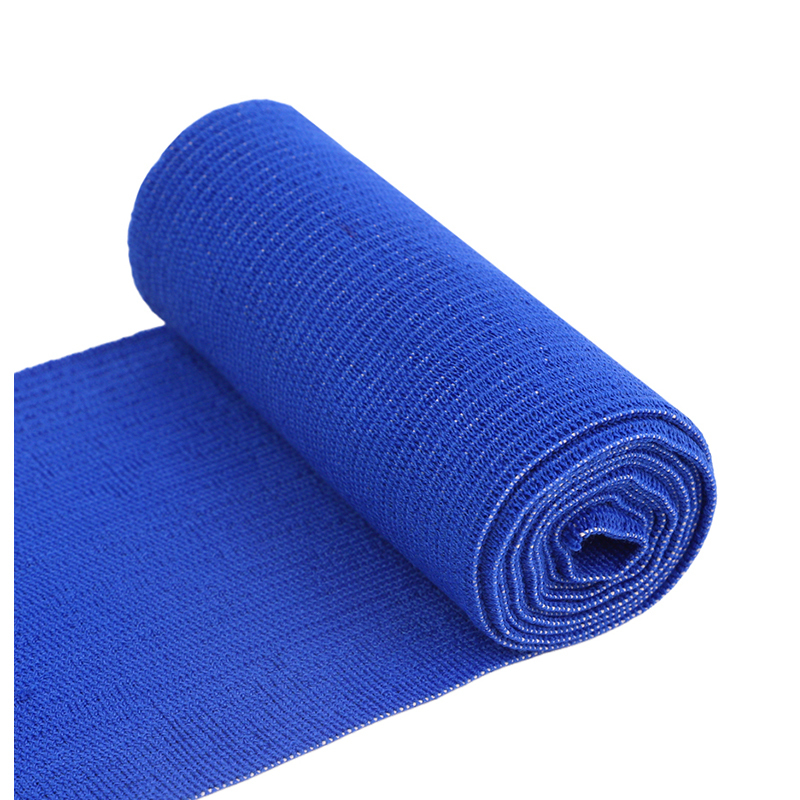
Medical elastic bandages are widely used in first-aid care, sports protection, rehabilitation support, orthopedic applications, and general compression management. Among the many available widths, materials, and constructions, a 10cm light beige medical elastic bandage offers a practical balance between coverage, flexibility, comfort, and ease of handling. It is wide enough to support many commonly treated body areas while remaining manageable during wrapping and adjustment.
This type of bandage is designed to provide controlled, flexible compression without creating the stiffness associated with rigid support products. Its high-elasticity fabric follows body movement and conforms closely to anatomical contours. At the same time, the soft surface, breathable construction, neat edge finishing, and discreet light beige color contribute to a comfortable and professional user experience.
Jinhu Hengxiang Webbing Co., Ltd. manufactures elastic and non-elastic webbing for medical protective equipment, sports supports, and orthopedic braces. Since its establishment in 2005, the company has developed production capabilities covering material sourcing, warping, knitting, weaving, finishing, inspection, and packaging. Its experience in elastic webbing production supports the consistent manufacture of medical elastic bandages with tailored elasticity, texture, width, and color requirements.
This article explains the product’s construction, key advantages, suitable applications, quality considerations, and manufacturing strengths. It also compares the practical benefits of a well-made 10cm elastic bandage with lower-quality alternatives and provides purchasing guidance for distributors, medical product brands, and professional users.
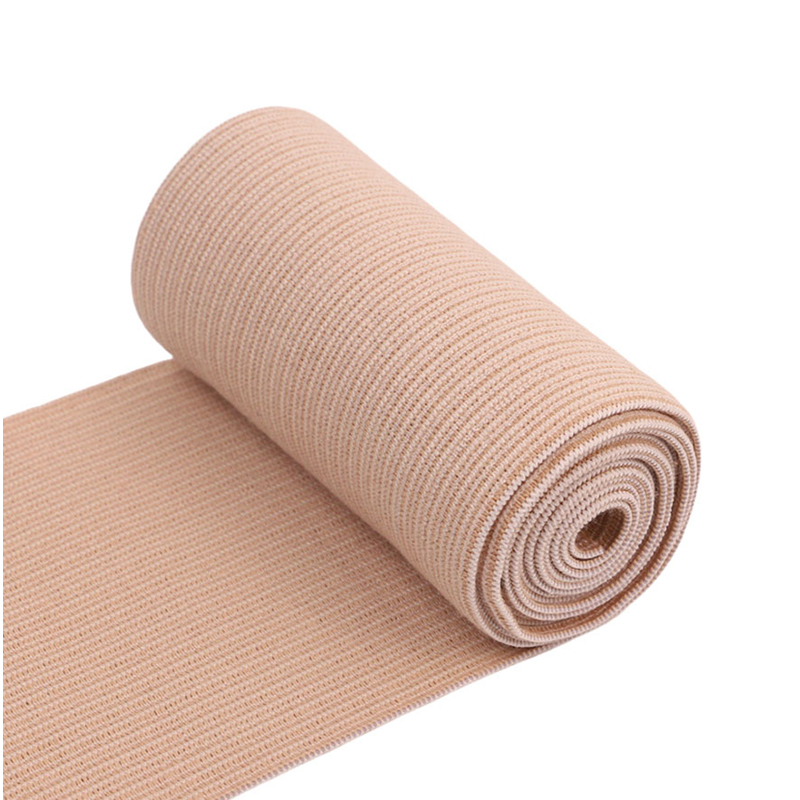
10cm Light Beige Medical Elastic Bandage
Product Overview
The 10cm Light Beige Medical Elastic Bandage is a flexible textile support product intended for wrapping, compression, stabilization, and protective applications. The bandage combines elastic performance with a soft hand feel, making it suitable for situations where the user needs support while retaining a degree of comfort and mobility.
Its 10cm width provides balanced coverage. A narrow elastic band may require more overlapping turns and may concentrate pressure over a smaller area. A very wide bandage can be difficult to control around joints, limbs, or smaller anatomical regions. The 10cm format is therefore a versatile middle-width option for many general medical, rehabilitation, and sports-support requirements.
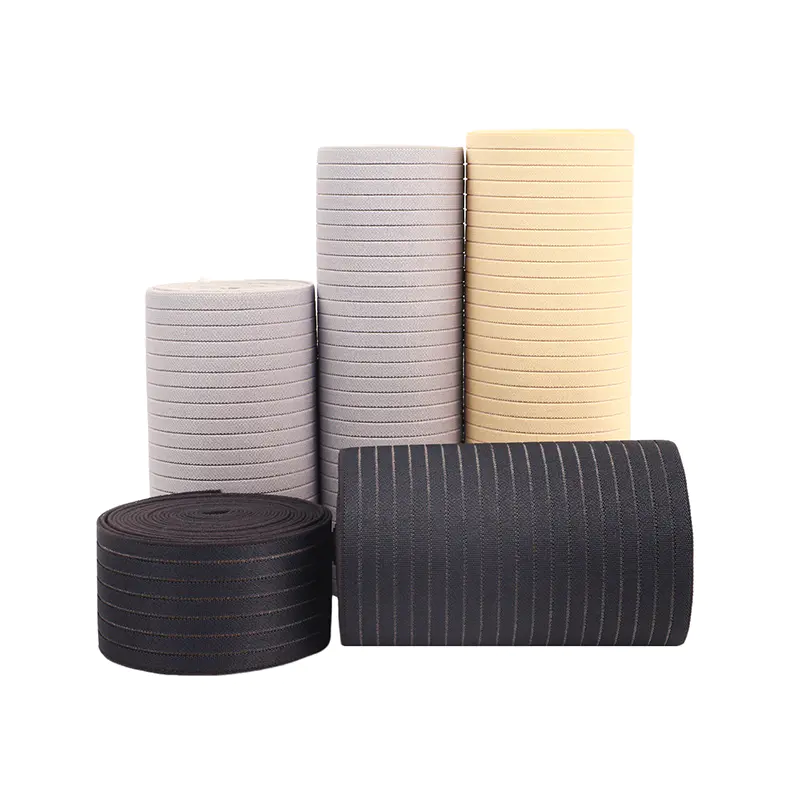
The light beige color gives the bandage a natural and discreet appearance. It can be used beneath clothing or sportswear without drawing unnecessary attention. The neutral shade also creates a clean, professional visual impression for medical distributors, clinics, rehabilitation centers, and private-label product lines.
The product is based on high-elasticity fabric. This construction allows the bandage to stretch during application and return toward its original dimensions after wrapping. When applied appropriately, the material can provide consistent support and compression while accommodating normal body movement. The bandage is not intended to replace professional diagnosis or treatment, and compression should always be selected and applied according to the intended use.
Key Product Features
High Elasticity for Flexible Support
High elasticity is one of the most important performance characteristics of a medical elastic bandage. The fabric must stretch sufficiently during application while maintaining dependable recovery. A bandage that stretches too little may be difficult to wrap evenly, while one that loses its recovery quickly may become loose and ineffective during use.
The elastic construction of this 10cm bandage helps users create a stable wrap around limbs, joints, and other body contours. It can accommodate moderate movement without immediately becoming displaced. This flexibility is especially valuable in sports support and rehabilitation environments, where the wearer may walk, exercise, or perform daily activities while using the product.
Elastic performance also contributes to easier handling. The user can control the level of tension during wrapping instead of relying on a rigid material that cannot adapt to the body. For professional users, this can help improve application efficiency. For consumers, the fabric’s flexibility can make routine wrapping less complicated when suitable instructions are followed.
Soft, Skin-Friendly Material
Medical and sports-support products remain in contact with the skin for extended periods. A rough, stiff, or poorly finished textile can cause discomfort, friction, pressure points, or skin irritation. For this reason, the surface feel of an elastic bandage is an important part of its overall quality.
The soft material used in this product is intended to improve wearer comfort. A smoother textile surface can reduce the unpleasant sensation associated with repeated movement against the skin. It can also make the product more suitable for users who require support for several hours at a time.
Material selection must be considered together with correct application. Even a soft bandage should not be wrapped excessively tightly, placed over damaged skin without appropriate guidance, or used in a way that causes numbness, discoloration, pain, or circulation problems. Product quality supports comfort, but correct use remains essential.
Breathable Construction
Heat and moisture buildup can affect the comfort of any fabric product worn close to the body. A breathable elastic bandage allows a degree of air circulation through the textile structure, helping reduce the feeling of excessive warmth during use.
Breathability is particularly useful in sports, physical rehabilitation, and warm climates. When air can move through the construction, the wrapped area may feel less enclosed. This can improve the overall wearing experience and encourage more consistent use of the support product.
Breathability also reflects the balance between support and comfort. A medical elastic bandage should provide functional compression without becoming unnecessarily heavy or impermeable. The construction of this product is designed to combine elastic support with a more comfortable textile environment.
10cm Width for Balanced Coverage
The 10cm width is suitable for applications that require more coverage than a narrow elastic strip can provide. It can help distribute wrapping pressure across a broader area and reduce the need for excessive overlapping. This may support a more even and orderly application when the bandage is wrapped correctly.
At the same time, 10cm remains practical for general handling. It is not so wide that it becomes difficult to position around joints or curved areas. Users can guide the bandage around the body while maintaining control over tension and alignment.
For manufacturers and distributors, the 10cm size can serve as a standard product specification within a broader range of medical elastic bandages. Additional widths may be developed for different applications, but the 10cm format offers a widely adaptable option for general support and compression needs.
Good Conformity to Body Contours
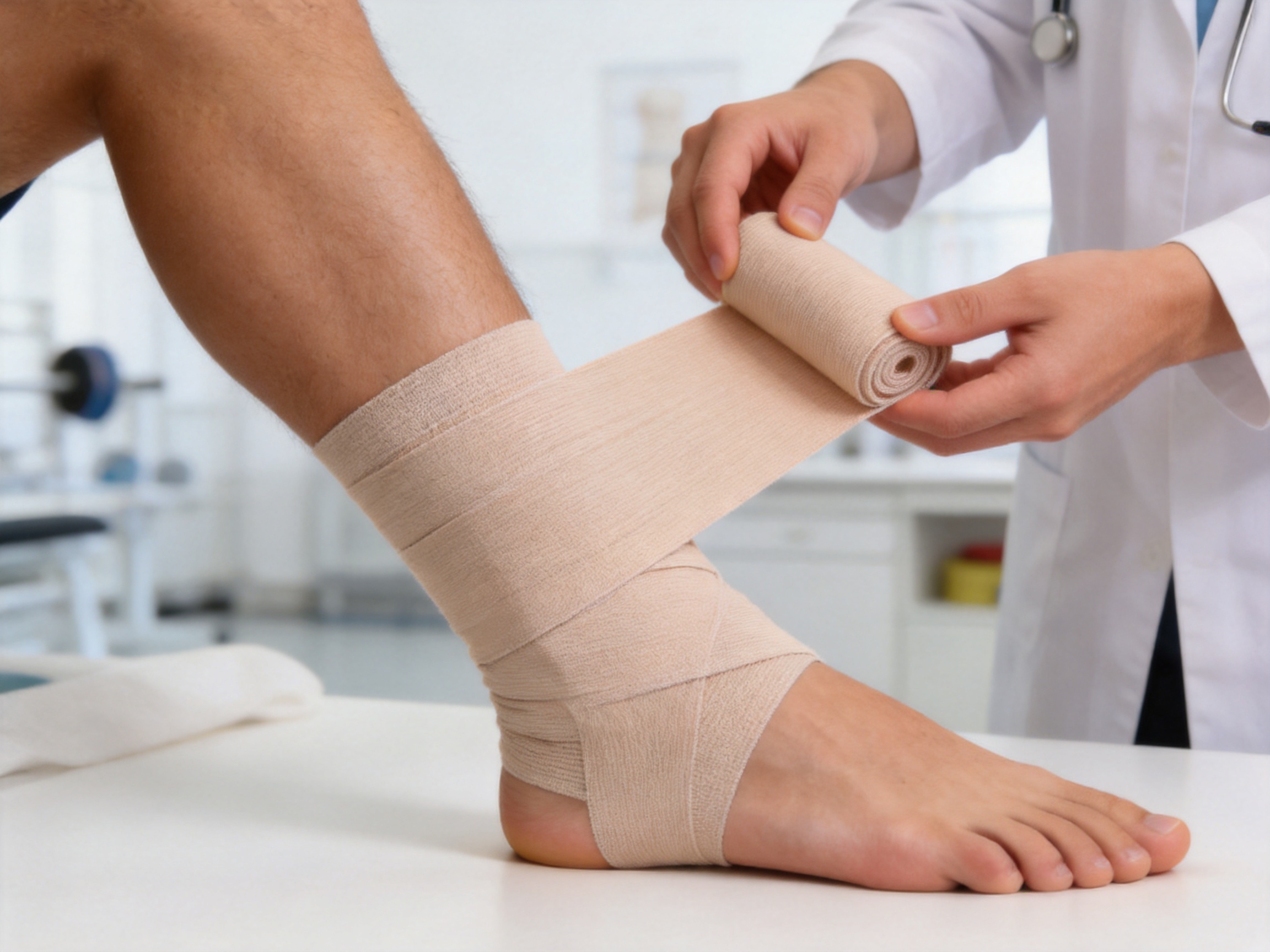
Human body surfaces are not flat. Ankles, wrists, knees, elbows, calves, forearms, and other areas include curves and changing diameters. A bandage that cannot conform to these contours may wrinkle, shift, or create uneven pressure.
The elastic construction helps the bandage follow the body more closely. Good conformity allows the material to sit smoothly over curved surfaces and remain in place during moderate movement. It also supports a cleaner appearance beneath clothing or protective equipment.
Conformity depends on both the fabric and the application technique. A quality bandage provides the necessary flexibility, while the user must apply it with appropriate overlap, direction, and tension. Together, these factors contribute to a secure and comfortable wrap.
Light Beige Appearance
Color is not only a visual preference; it can influence product positioning and user acceptance. Light beige is neutral, discreet, and compatible with many skin tones and clothing colors. It offers a less conspicuous appearance than bright white or strongly colored alternatives.
For medical product distributors, the light beige color can support a professional product presentation. For sports users, it can be worn beneath clothing or integrated into a low-visibility support routine. For private-label brands, the neutral shade can serve as a practical base color for a clean and reliable product range.
Neat Edge Finishing
Edges are exposed to repeated handling, stretching, rolling, and contact with clothing. Poorly finished edges may fray, curl, or lose their shape over time. Neat edge finishing helps maintain the bandage’s appearance and structural integrity during normal use.
A well-finished edge can also improve comfort by reducing rough or loose fibers at the sides of the product. It supports a more orderly appearance after wrapping and contributes to the perception of dependable manufacturing quality.
Edge finishing is one of the details that separates a professional textile product from a basic or inconsistent alternative. Although it may appear minor, it can have a meaningful effect on durability, handling, and customer satisfaction.
Advantages Compared with Lower-Quality Alternatives
Medical elastic bandages may look similar at first glance, but differences in yarn selection, elastic structure, fabric density, edge treatment, color consistency, and quality control can significantly affect their performance. A well-manufactured 10cm bandage provides several practical advantages over products made with inconsistent processes.
More Consistent Compression Performance
Consistent elasticity helps users apply a more even wrap. In lower-quality products, the stretch may vary across the roll or from one production batch to another. Such inconsistency can make application unpredictable and may result in sections that feel too loose or too tight.
Stable fabric performance is especially important for professional buyers. Clinics, distributors, and private-label brands need products that behave consistently across repeated orders. Reliable elasticity reduces the risk of receiving material that differs noticeably from approved samples.
Improved Comfort During Extended Use
A soft, breathable textile can be more comfortable than a coarse or dense alternative. Comfort is important because a support product is more likely to be used correctly and consistently when it does not cause unnecessary irritation or heat buildup.
The combination of soft material, breathable construction, and neat edges gives this bandage a more user-oriented design. These characteristics can help it compete effectively with basic elastic wraps that focus only on stretch and overlook the wearing experience.
Better Appearance and Product Presentation
Consistent light beige coloration and clean edge finishing give the bandage a professional appearance. The product can be presented as part of a medical or rehabilitation range without requiring excessive visual decoration.
For distributors, appearance influences shelf presentation, packaging photography, and customer confidence. A clean, uniform bandage can support a stronger brand image than a product with uneven color, loose fibers, or irregular edges.
Practical Balance Between Flexibility and Stability
Some elastic products are excessively soft and lose their position quickly, while others are overly rigid and difficult to wrap. The 10cm bandage is designed to balance flexibility with stable coverage. Its stretch allows movement and conformity, while its width and fabric construction support a secure wrap.
This balance is useful in products intended for general medical support, sports protection, and orthopedic accessory applications. It allows the bandage to serve multiple markets without becoming too specialized for only one use.
More Suitable for Custom Manufacturing Programs
Buyers often require more than a standard stock product. They may need a specific width, elasticity level, texture, color, packaging format, or roll length. A manufacturer with dedicated webbing and elastic textile equipment can adapt production parameters more effectively than a trading company without its own manufacturing base.
Customization is one of the important advantages associated with an experienced elastic webbing producer. Tailored specifications can help medical brands develop products suited to their target market, packaging system, regulatory strategy, and application requirements.
Potential Applications
General Medical Support
A 10cm medical elastic bandage may be used as a general support and wrapping component in medical care settings, subject to professional guidance and the requirements of the specific application. It can be incorporated into first-aid kits, rehabilitation supplies, orthopedic support packages, and medical protective equipment programs.
Its elastic structure allows it to provide adjustable support rather than fixed immobilization. This makes it suitable for applications where some flexibility is desired. The product should not be considered a substitute for a cast, brace, sterile dressing, or other specialized medical device unless it has been specifically tested and approved for that purpose.
Sports Protection
Sports participants often use elastic support products during training, competition, warm-up, or recovery routines. The bandage can help provide a feeling of support around selected areas while allowing a degree of movement.
The breathable construction is beneficial in active environments, where heat and perspiration can affect comfort. The light beige color also provides a discreet option for users who prefer support products that do not attract attention.
Sports applications require careful consideration of the body area, tension, duration of wear, and movement demands. A professional trainer, therapist, or healthcare provider can advise on suitable use.
Rehabilitation and Orthopedic Accessories
Rehabilitation programs may use elastic textiles alongside braces, exercise routines, protective pads, and other support products. The bandage’s ability to conform to body contours makes it a practical component for certain wrapping and support procedures.
Manufacturers of orthopedic accessories may also use elastic bandage material as part of a broader product system. The material can be evaluated for integration with hook and loop closures, woven elastic panels, padding, or non-elastic support sections. This is where a manufacturer with experience across multiple webbing categories can provide useful development support.
First-Aid and Home-Care Kits
A compact roll of 10cm elastic bandage can be included in first-aid and home-care supplies. Its flexible construction allows it to be stored and transported conveniently, while its width provides useful coverage for a range of common support needs.
Packaging should clearly communicate intended use, application instructions, limitations, and storage recommendations. If the product is supplied through regulated medical channels, labeling and documentation should be prepared according to the requirements of the destination market.
Materials and Textile Construction
The performance of a medical elastic bandage begins with its raw materials. The selected fibers, elastic components, yarn arrangement, fabric density, and finishing treatments all influence stretch, recovery, softness, breathability, durability, and appearance.
Elastic textile production requires control over both longitudinal and transverse behavior. The bandage must stretch in a useful direction while maintaining sufficient width stability. If the fabric narrows excessively during stretching, the effective coverage may change during application. If it lacks recovery, the bandage may become loose after repeated use.
A professional production process considers the relationship between elasticity and comfort. A very high stretch rate is not automatically better if it makes tension control difficult. Conversely, a low stretch rate may not provide the conformity expected from a medical elastic bandage. The target specification should be selected according to the final application and tested against defined requirements.
Surface texture is also important. A smooth and soft textile can improve skin contact, while an appropriate fabric structure allows air movement. The final construction should be inspected for loose threads, uneven edges, color variation, and other defects that could affect use or presentation.
Advanced Manufacturing Capabilities
Jinhu Hengxiang Webbing Co., Ltd. has developed a manufacturing system for elastic and non-elastic webbing since 2005. The company’s production scope includes materials used in sports supports, orthopedic braces, medical protective equipment, and related textile products.
Warping Processes
Warping prepares yarns for subsequent weaving or knitting operations. Accurate yarn arrangement and controlled tension are essential for producing a stable textile structure. Irregular warping can lead to variations in width, density, elasticity, or surface appearance.
By using dedicated warping equipment and controlled production procedures, the manufacturer can prepare materials more consistently for elastic webbing production. This supports repeatability across production runs and helps reduce defects caused by uneven yarn tension.
Knitting Equipment
Knitting machines are used to create flexible textile structures with specific stretch and recovery properties. The knitting parameters influence the openness of the fabric, surface feel, width stability, and elasticity.
For medical elastic bandage production, the knitting process must be adjusted to achieve the required balance of softness, breathability, and support. Machine settings, yarn compatibility, operating speed, and inspection procedures all contribute to the final result.
Woven Production
Woven machines are used for webbing structures that require controlled yarn interlacing and stable dimensions. Woven elastic products can be developed with different widths, patterns, densities, and stretch characteristics.
The availability of both knitting and weaving capabilities allows the manufacturer to select the most appropriate construction for a customer’s product requirements. This is valuable when a buyer needs different textile structures within one supply program.
Finishing and Edge Control
After the primary textile structure is produced, finishing operations help prepare the material for final use. These operations may include width adjustment, inspection, cutting, rolling, edge treatment, and packaging preparation.
Neat edge finishing is particularly important for medical elastic bandages. The edge should remain orderly during stretching and repeated handling. Proper finishing can reduce fraying and rolling while helping preserve the product’s appearance.
Packaging Equipment
Packaging is part of product quality because it protects the bandage during storage, transportation, and distribution. Dedicated packaging equipment can support consistent roll formation, labeling, counting, and presentation.
Correct winding tension helps prevent loose or distorted rolls. Appropriate packaging materials can protect the product from dust, moisture, and unnecessary handling. For private-label customers, packaging formats can be coordinated with branding, carton dimensions, labeling requirements, and logistics plans.
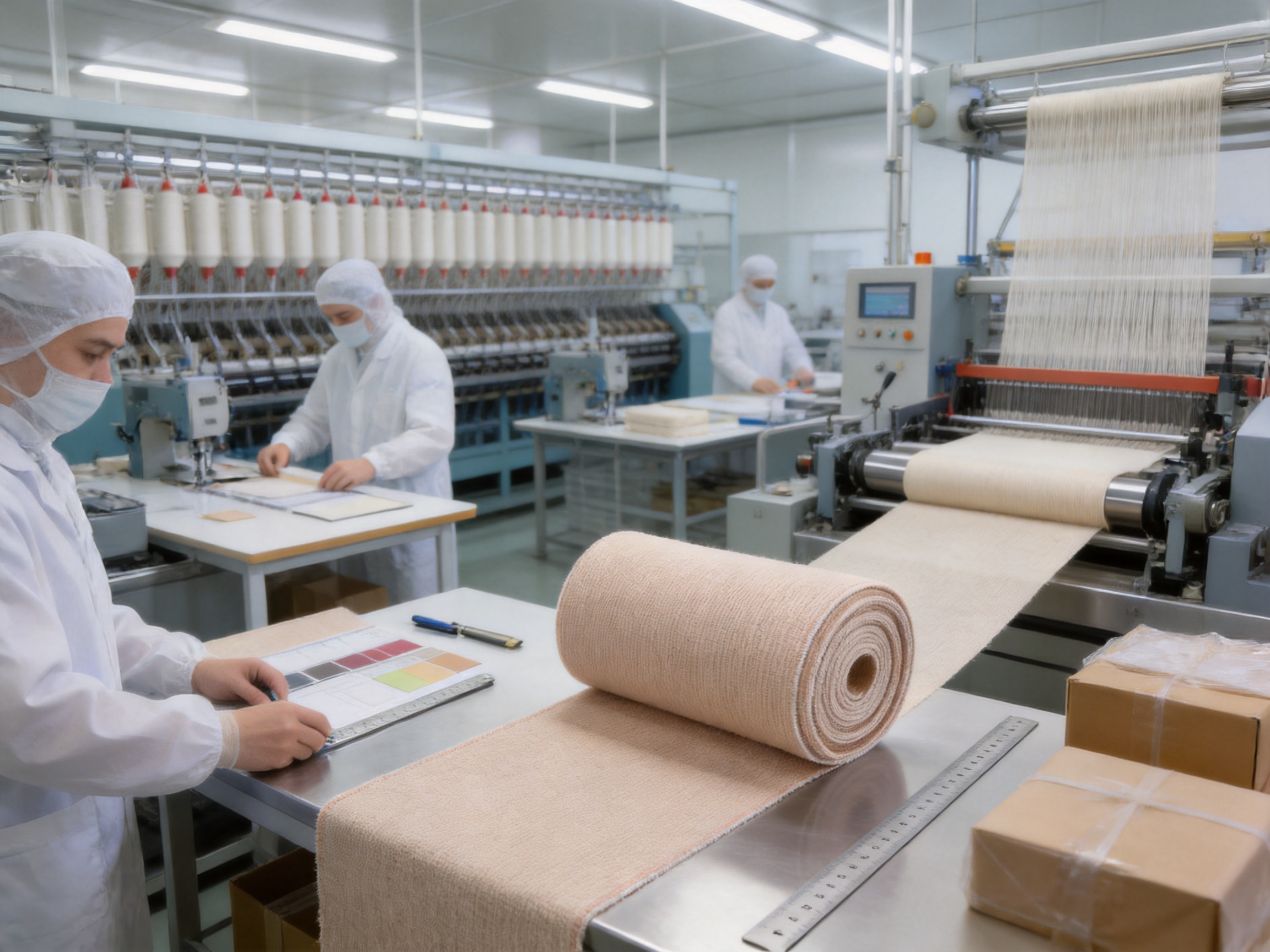
Quality Control and Production Management
Quality control should cover the entire production chain rather than relying only on final inspection. The company describes strict control from material sourcing through processing, testing, and packing. This approach is important for elastic textile products because defects can arise at multiple stages.
Incoming materials should be checked for specification, color, composition, physical condition, and consistency. During production, operators and quality personnel can monitor width, appearance, fabric structure, elasticity, recovery, edge condition, and roll formation.
Finished products can be evaluated against approved samples and customer specifications. Depending on the product program, testing may include dimensional checks, stretch performance, recovery behavior, tensile characteristics, color consistency, visual inspection, and packaging verification.
Documented production controls help create traceability. If a customer raises a question about a batch, records can assist with identifying materials, machine settings, inspection results, and packing information. This is particularly valuable for medical product supply chains, where consistency and documentation are important purchasing considerations.
The company has obtained Oeko-Tex Standard 100 and ISO 13485 certificates, reflecting its focus on textile safety and quality management for medical-related production. Buyers should always confirm the current validity, scope, and applicability of certifications for their specific product and destination market.
Why Manufacturer Experience Matters
More than two decades of production experience can provide practical advantages in product development and supply management. Elastic webbing is a specialized textile category in which small changes in yarn, machine settings, or finishing can affect the final performance.
An experienced manufacturer understands how to adjust production parameters for different elasticity targets, widths, textures, and colors. This knowledge can reduce unnecessary trial and error during new product development. It can also help buyers identify realistic specifications that balance performance, comfort, production efficiency, and cost.
Manufacturing experience is also important when a customer requires several related products. A buyer may need medical elastic bandages together with narrow elastic bands, woven elastic panels, elastic hook and loop straps, or non-elastic support webbing. A supplier with a broader product portfolio can help coordinate specifications and quality expectations across the product range.
Reliable production capacity supports delivery planning as well. The company reports production of millions of meters of elastic and non-elastic webbing every month. Such capacity can be useful for distributors and brands that need stable supply, repeat orders, and scalable production after market testing.
Customization Options
Customization allows the bandage to be adapted to a buyer’s application, customer group, and sales channel. Potential specifications may include width, roll length, elasticity, recovery, fabric texture, color, edge treatment, label format, packaging method, and private-label presentation.
Elasticity should be selected according to the required level of support and the intended application technique. A product for general home-care use may require a different handling feel from a product designed for professional rehabilitation or sports-support kits.
Color customization can support brand identity or market preference. Although light beige offers a discreet and natural appearance, customers may request other neutral shades or colors for product differentiation. Color matching should be evaluated through approved samples and production standards.
Packaging customization may include individual polybags, printed boxes, barcode labels, instruction inserts, master cartons, and pallet configurations. Packaging should be designed to protect the textile while presenting clear information to the end user.
OEM and ODM cooperation can help customers move from concept to finished product. The development process should begin with a detailed specification, sample approval, testing plan, packaging confirmation, and agreed inspection criteria. Clear communication at each stage reduces the chance of misunderstanding and supports long-term supply stability.
Purchasing Considerations for Distributors and Brands
When evaluating a medical elastic bandage supplier, buyers should examine more than price. The lowest initial quotation may not represent the lowest total cost if the product has unstable elasticity, high defect rates, poor packaging, or inconsistent delivery.
Buyers should request technical information about width tolerance, stretch characteristics, recovery, material composition, roll length, color standard, edge construction, and packaging. They should also clarify whether the supplied product is intended as a finished medical bandage or as a textile component for further conversion.
Samples should be evaluated under realistic conditions. Reviewers can inspect the surface feel, ease of wrapping, width stability during stretching, edge behavior, conformity to curved surfaces, appearance, and roll formation. If the bandage will be used with other components, compatibility testing should be conducted before mass production.
Quality documentation should be matched to the destination market. Depending on the product classification and intended claims, buyers may need certificates, test reports, declarations, labeling information, material documents, or quality-management records. The supplier and buyer should define responsibility for regulatory compliance before placing an order.
Communication is another key factor. A responsive manufacturer can help clarify technical requirements, recommend feasible specifications, coordinate sampling, and resolve production questions. Long-term cooperation is easier when both sides use clear drawings, approved samples, written tolerances, and documented inspection procedures.
Storage, Handling, and Use Guidance
Medical elastic bandages should be stored in a clean, dry environment away from excessive heat, direct sunlight, moisture, sharp objects, and chemical contamination. Proper storage helps preserve the fabric’s elasticity, color, surface condition, and packaging quality.
The bandage should be inspected before use. Users should look for visible damage, contamination, excessive fraying, unusual odor, or loss of elasticity. Damaged or heavily worn material should be replaced rather than reused.
Application should be even and controlled. Excessive tension may cause discomfort or affect circulation, while insufficient tension may provide inadequate support. The bandage should not be folded into a narrow cord or wrapped with sharp creases that create localized pressure points.
Users should monitor the wrapped area for pain, numbness, tingling, unusual swelling, skin discoloration, or increased discomfort. If such symptoms appear, the bandage should be loosened or removed and appropriate professional advice should be sought.
Cleaning and reuse depend on the product specification and labeling. Some elastic bandages may be intended for single-patient or limited reuse, while others may have specific washing requirements. Buyers should establish cleaning instructions through product testing and communicate them clearly to end users.
Applications in a Broader Webbing Product System
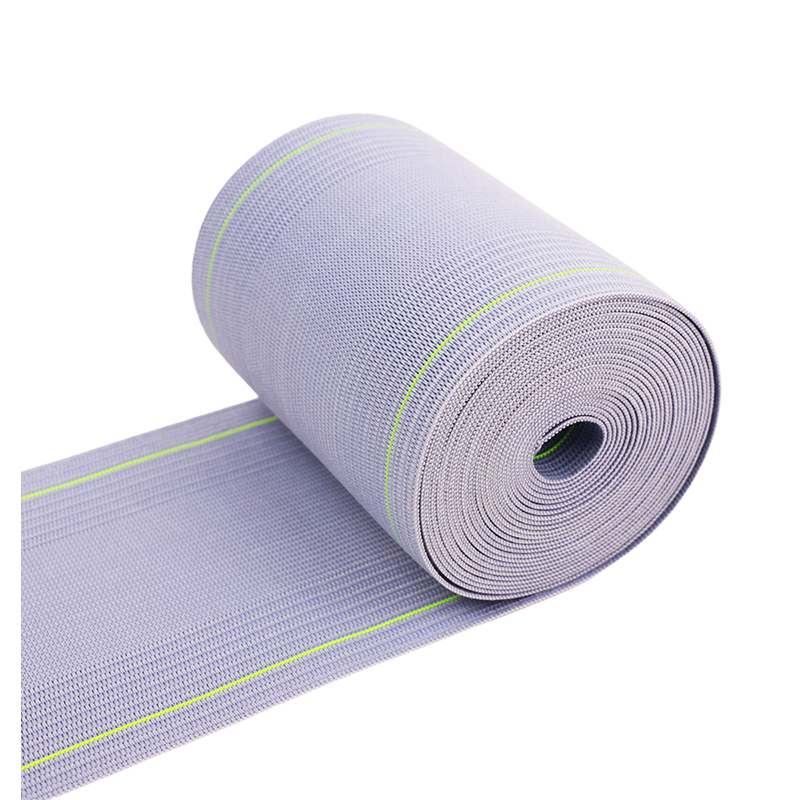
The 10cm medical elastic bandage can be considered part of a broader family of elastic and non-elastic textile products. A manufacturer serving sports and medical markets may also produce abdominal binder elastic, woven wide elastic, wide knitted elastic, narrow elastic bands, woven elastic panels, elastic hook and loop straps, and non-elastic webbing.
These products can be combined in orthopedic braces, support belts, rehabilitation accessories, compression products, protective sleeves, and medical equipment. For example, an elastic panel may provide broad body coverage, while a hook and loop strap can offer adjustable closure. A non-elastic webbing section may provide reinforcement, while knitted elastic contributes flexibility.
Working with one experienced supplier can simplify development and purchasing. It may reduce the number of separate technical contacts, improve coordination between components, and support more consistent color and quality standards across a finished product range.
However, each component still requires individual testing. Similar appearance does not mean identical performance. Elasticity, recovery, tensile strength, dimensional stability, and skin-contact requirements should be assessed according to the function of each component.
Sustainability and Responsible Production
Responsible textile manufacturing involves efficient use of materials, controlled production, durable product design, and careful management of waste and packaging. A durable elastic bandage can provide value by maintaining useful performance over its intended service life and reducing premature replacement.
Production efficiency is also important. Modern warping, knitting, weaving, and packaging equipment can help improve material utilization and reduce variation. Better process control may lower the volume of defective products that require reworking or disposal.
Environmental claims should be based on verifiable information. Buyers interested in sustainability can ask about material composition, packaging options, production waste management, energy practices, and relevant certifications. Clear documentation is preferable to broad claims that cannot be measured.
Oeko-Tex Standard 100 certification is relevant to textile safety evaluation, while ISO 13485 relates to quality management for medical devices and associated manufacturing systems. These certifications do not eliminate the need for product-specific testing, but they can provide useful evidence of structured quality and safety practices when applicable.
How This Product Supports Different Customer Markets
For medical distributors, the product offers a practical combination of width, neutral appearance, comfort, and flexible support. These qualities can make it suitable for inclusion in general medical supply portfolios.
For sports-support brands, the breathable and conformable construction can support product concepts focused on movement, training, recovery, and everyday protection. The light beige shade provides a discreet alternative to highly visible sports colors.
For orthopedic accessory manufacturers, the material can be evaluated as a component in braces, wraps, and adjustable support systems. The company’s wider range of elastic and non-elastic webbing may also support the development of complete assemblies.
For private-label retailers, customization opportunities can help create a product with controlled appearance, packaging, and performance characteristics. OEM and ODM cooperation may be particularly useful for companies entering a new medical or rehabilitation product segment.
Recommended Product Evaluation Procedure
A structured evaluation process helps buyers make an informed decision. First, define the intended use, body area, user group, expected duration of wear, and required level of support. These factors determine the appropriate elasticity and fabric structure.
Second, request technical samples produced as closely as possible to the proposed mass-production specification. Samples should be inspected for width, color, edge finishing, surface feel, stretch, recovery, and general appearance.
Third, perform practical wrapping tests with representative users or qualified professionals. Observe whether the product conforms to body contours, remains manageable during application, and maintains stable coverage during normal movement.
Fourth, review documentation, certificates, test reports, packaging details, and quality-control procedures. Confirm which documents apply to the exact product rather than assuming that a general company certificate covers every finished item.
Finally, approve a reference sample and written specification before mass production. The reference should be retained for comparison during future orders. Clear acceptance criteria help protect both the buyer and manufacturer from disputes caused by subjective expectations.
Q&A
What is the main purpose of a 10cm medical elastic bandage?
Its main purpose is to provide flexible wrapping, support, and adjustable compression for suitable medical, rehabilitation, sports, and protective applications. The exact use depends on professional guidance, product labeling, and the user’s specific needs.
Why is 10cm considered a practical width?
A 10cm width provides useful coverage while remaining easy to handle around curved body areas. It can distribute pressure across a broader surface than a narrow band and may require less overlapping than a very narrow strip.
What are the advantages of the light beige color?
Light beige has a neutral, discreet, and professional appearance. It can be worn beneath clothing or sportswear with less visual contrast and can fit naturally into medical and rehabilitation product ranges.
Is the bandage suitable for sports use?
Its flexible and breathable construction can make it suitable for certain sports-support applications. Users should select the product according to the body area and required support, and they should follow guidance from a qualified professional when necessary.
How does breathability improve comfort?
Breathable construction allows more air circulation through the textile, which can help reduce heat and moisture buildup during wear. Comfort also depends on correct tension, skin condition, duration of use, and environmental temperature.
Does high elasticity mean the bandage provides stronger compression?
Not necessarily. High elasticity improves stretch and conformity, but compression depends on the material’s stretch behavior, recovery, width, wrapping technique, and applied tension. Product selection should be based on tested performance rather than elasticity alone.
Can the bandage be customized?
Customization may be available for width, elasticity, texture, color, roll length, edge finishing, and packaging. Buyers should provide detailed requirements and approve samples before production.
What quality features should buyers inspect?
Important features include consistent width, stable elasticity, good recovery, soft surface feel, breathable construction, even color, smooth edges, clean winding, and reliable packaging. Buyers should also review relevant testing and quality documentation.
What manufacturing equipment supports this product?
The production system includes warping machines, knitting machines, woven machines, and packaging machines. These capabilities support controlled preparation, textile formation, finishing, inspection, and final presentation.
Does ISO 13485 automatically approve the finished bandage for every market?
No. ISO 13485 indicates a quality-management framework related to medical devices, but market approval and product compliance depend on the exact product classification, intended claims, documentation, and regulations of the destination country.
How should the bandage be stored?
It should be stored in a clean, dry place away from direct sunlight, excessive heat, moisture, chemicals, and sharp objects. Original packaging should remain intact until use whenever possible.
When should the bandage be removed or replaced?
It should be removed if it causes pain, numbness, tingling, unusual swelling, skin discoloration, or other concerning symptoms. It should also be replaced if it becomes damaged, contaminated, excessively stretched, or unable to maintain its intended performance.
Why work with an experienced elastic webbing manufacturer?
An experienced manufacturer can provide better control over materials, machinery, elasticity, width, color, finishing, testing, packaging, and delivery. It may also support related elastic and non-elastic components for sports and medical products.
Conclusion
The 10cm Light Beige Medical Elastic Bandage is designed to deliver a practical combination of flexible support, comfortable skin contact, breathable performance, balanced coverage, good conformity, discreet color, and durable edge finishing. These features give it advantages over basic elastic wraps that may suffer from inconsistent stretch, rough surfaces, poor breathability, unstable dimensions, or fraying edges.
Its value is strengthened by the manufacturing capabilities of Jinhu Hengxiang Webbing Co., Ltd. The company’s experience since 2005, production of millions of meters each month, advanced warping, knitting, weaving, and packaging equipment, and quality-management focus provide a solid foundation for consistent elastic textile production.
For medical distributors, sports-support brands, orthopedic accessory manufacturers, and private-label buyers, the product can serve as a versatile component within a broader webbing supply program. OEM and ODM customization can help adapt the bandage to different widths, elasticity levels, colors, textures, packaging formats, and market requirements.
As with all support and compression products, correct application, suitable product selection, clear labeling, and destination-market compliance remain essential. When these factors are combined with controlled manufacturing and dependable quality inspection, a 10cm medical elastic bandage can provide a reliable solution for professional and everyday support applications.
References
1. ISO 13485, Medical Devices—Quality Management Systems—Requirements for Regulatory Purposes.
2. Oeko-Tex Association, Standard 100 Textile Safety and Harmful Substance Testing Principles.
3. International Organization for Standardization, General Principles for Quality Management and Product Consistency.
4. Textile Institute, Fundamentals of Textile Fibers, Yarn Construction, Knitting, and Weaving Technology.
5. General clinical guidance on the safe application, monitoring, and removal of elastic compression bandages.
6. Manufacturer product information for elastic and non-elastic webbing used in sports supports, orthopedic braces, and medical protective equipment.