
 en
en
 English
 русский
 Français
 Español
 Português
 Tiếng Việt
Content
- 1 What Is Three-Panel Elastic Webbing with One-Side Plush?
- 2 Core Product Advantages
- 3 Why Width Selection Matters
- 4 Applications in Abdominal Binders
- 5 Post-Surgery Recovery and Rehabilitation Supports
- 6 Abdominal Injury Protection and Sports Support
- 7 Advantages Compared with Conventional Elastic Materials
- 8 Advanced Manufacturing Capabilities
- 9 Quality Control from Material to Shipment
- 10 Certifications and Professional Experience
- 11 Customization for OEM and ODM Projects
- 12 Recommended Product Development Process
- 13 Installation and Sewing Considerations
- 14 Care, Storage, and Service Life
- 15 Supply and Production Strengths
- 16 How Buyers Can Evaluate This Product
- 17 Q&A
- 17.1 What is the main purpose of this elastic webbing?
- 17.2 What does “one side plush” mean?
- 17.3 What materials are used?
- 17.4 Is the product latex-free?
- 17.5 Which widths are available?
- 17.6 Can this webbing be used directly against the skin?
- 17.7 Can the product be customized?
- 17.8 Is this a finished medical device?
- 17.9 What industries can use this material?
- 17.10 How should buyers test it before ordering?
- 17.11 Does the company support OEM and ODM orders?
- 17.12 What certifications are associated with the manufacturer?
- 18 Conclusion
- 19 References
- 20 Product: 3 Panels Elastic W 1 Side Plush
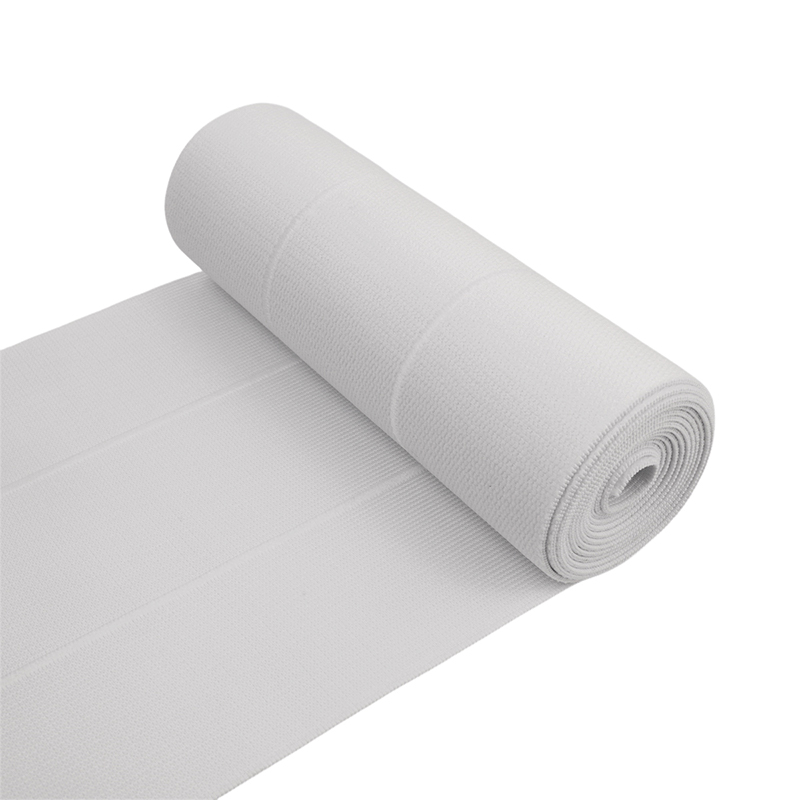
3 Panels Elastic W 1 Side Plush
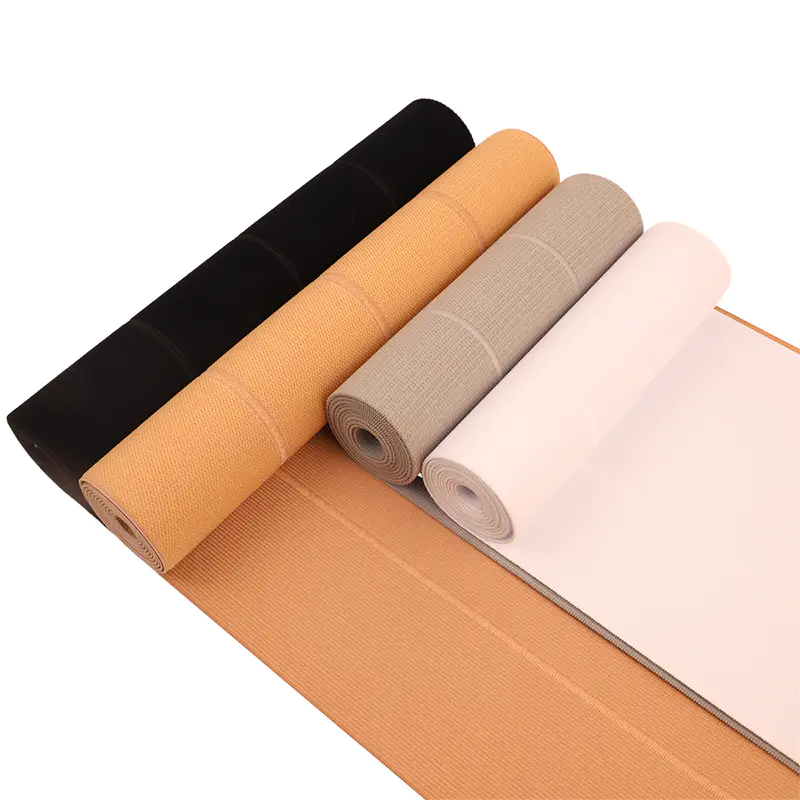
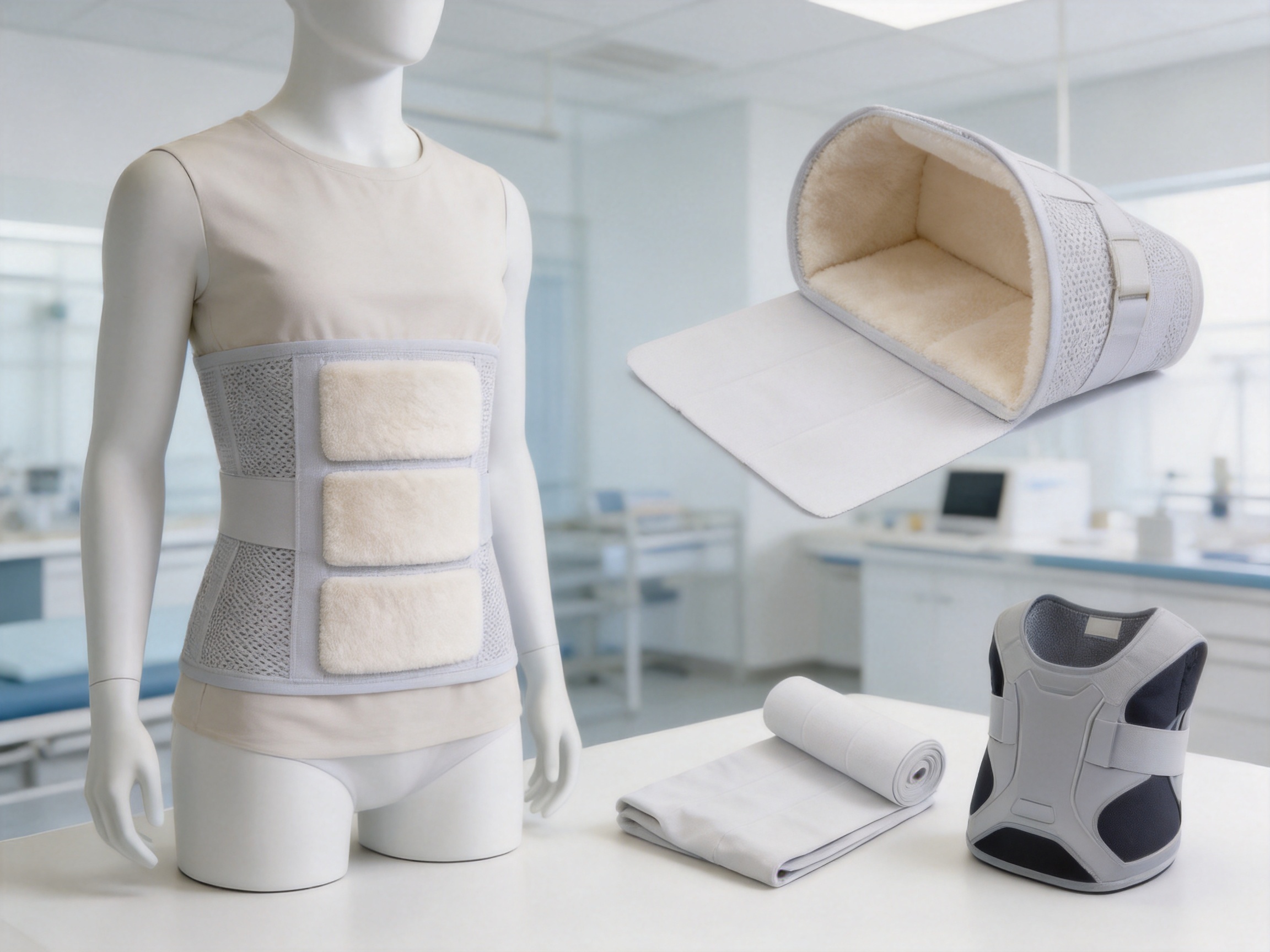
Abdominal support products must combine controlled elasticity, stable compression, comfort, durability, and dependable skin contact. A support band that is too rigid may restrict movement, while one that is too soft may fail to provide consistent support. The 3 Panels Elastic W 1 Side Plush is designed to address these requirements through a three-panel elastic construction, a soft plush surface on one side, and a material blend of polyester, nylon, and spandex. This combination makes it suitable for abdominal binders, post-surgery recovery products, rehabilitation supports, protective equipment, and selected sports-support applications.
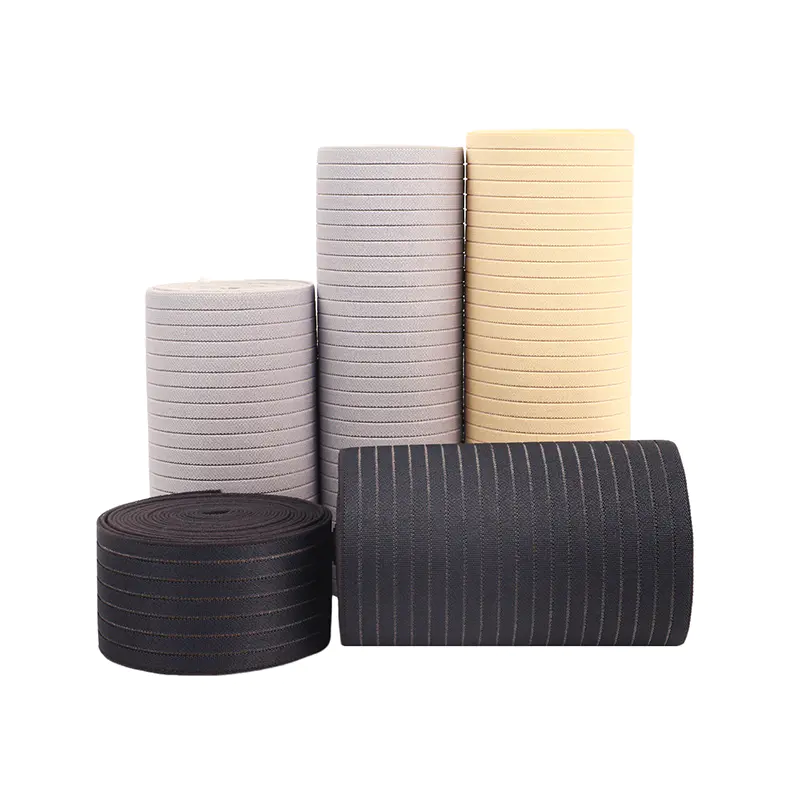
The product is available in 7.5-inch, 9-inch, and 12-inch widths. These options allow manufacturers and professional users to select a suitable coverage area according to the design of the finished abdominal support. The webbing is lightweight, durable, latex-free, and developed for applications where reliable elasticity and comfortable long-term wear are important.
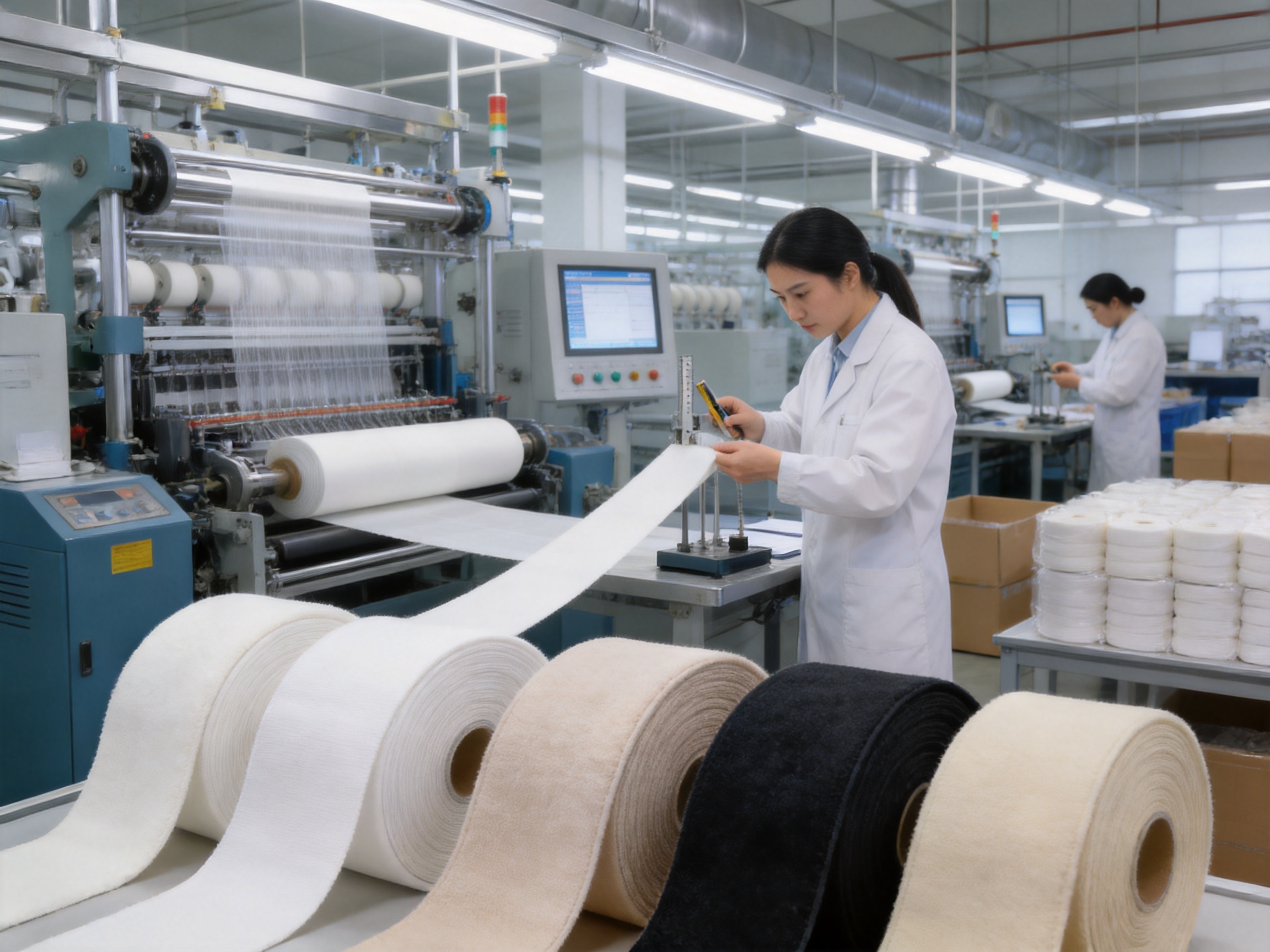
Behind the product is a manufacturing system focused on textile engineering, process control, testing, customization, and efficient production. Jinhu Hengxiang Webbing Co., Ltd. has specialized in elastic and non-elastic webbing since 2005. Its production capabilities include warping, knitting, weaving, testing, and packaging, supported by advanced machinery and quality systems. The company’s experience in medical protective equipment and sports-support components enables it to develop webbing with tailored elasticity, texture, width, and color.
What Is Three-Panel Elastic Webbing with One-Side Plush?
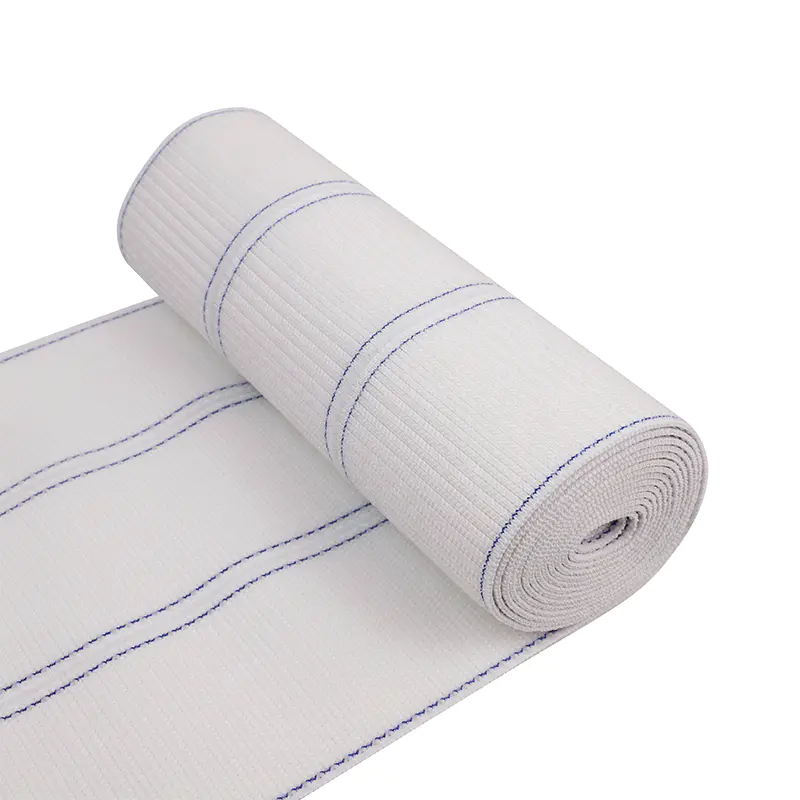
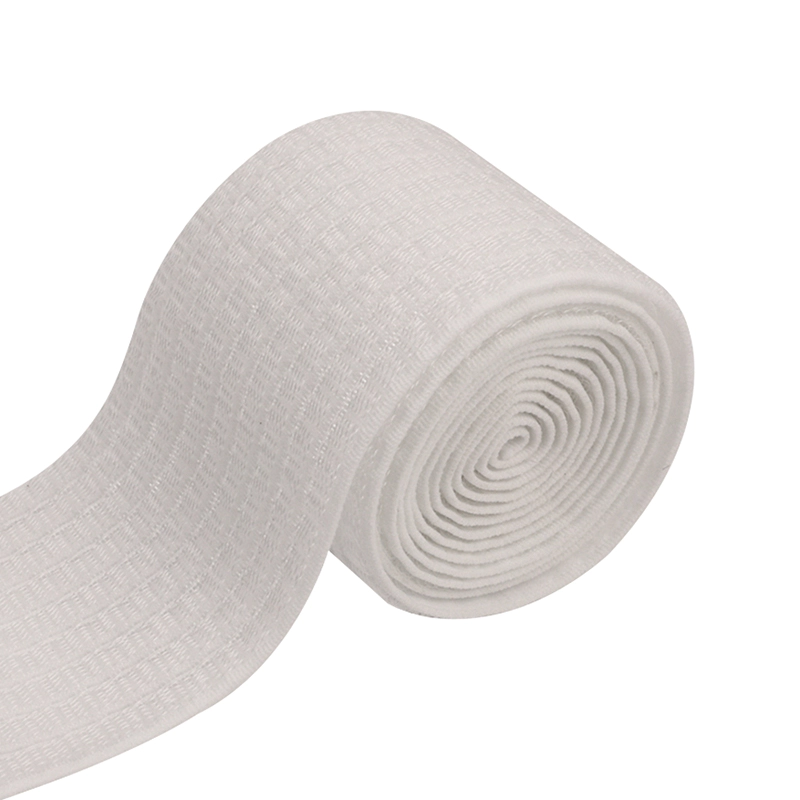
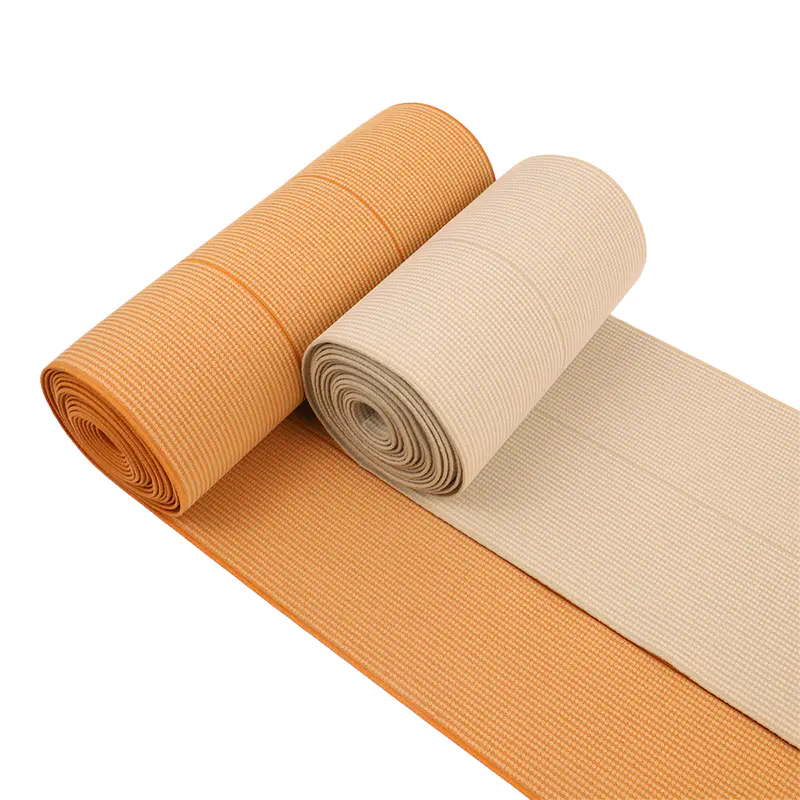
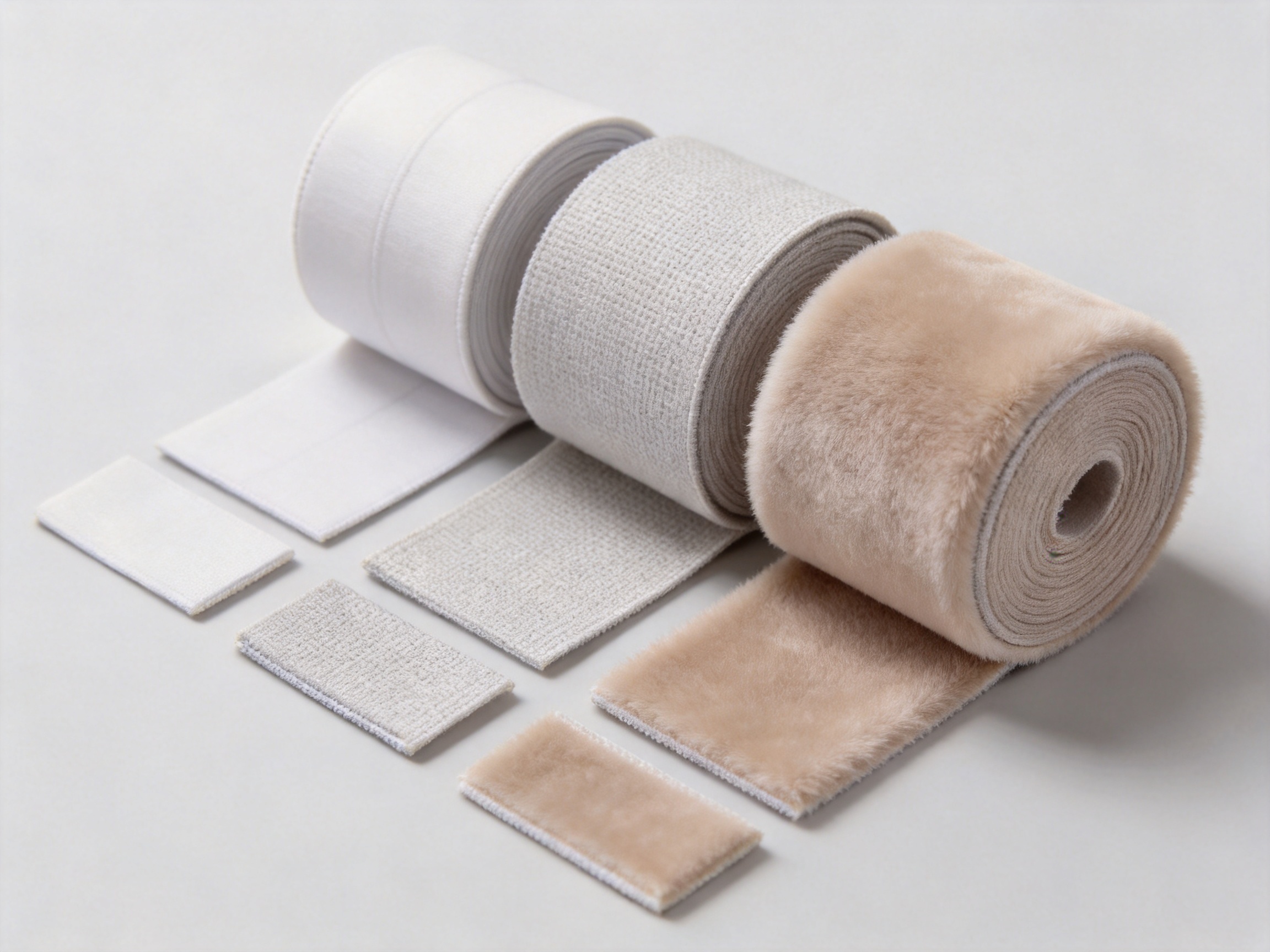
Three-panel elastic webbing with one-side plush is a wide elastic support material engineered for use in abdominal binders and related products. Its three-panel structure gives the webbing a broad and stable supporting surface while preserving the flexibility needed to follow body movement. One side has a smooth textile surface, and the opposite side has a soft plush, velvet-like finish.
The smooth side can contribute to a neat outer appearance and can slide smoothly against compatible garment layers or fastening components. The plush side is designed to create a softer contact surface, helping reduce rough friction and improving the wearer’s perception of comfort. Depending on the finished product design, this surface may face the body or interact with another component of the support system.
The material composition consists of polyester, nylon, and spandex. Polyester contributes strength, dimensional stability, and resistance to everyday wear. Nylon is known for its smooth hand feel, flexibility, and abrasion resistance. Spandex supplies the stretch and recovery characteristics needed for an elastic abdominal support. The exact balance of these fibers can be adjusted during product development to meet different requirements for compression, rebound, softness, and durability.
Unlike a narrow elastic band intended for edging or small fastening areas, this product is designed as a broad structural component. Its width allows the finished binder to distribute pressure across a wider area rather than concentrating force along a narrow line. This is particularly useful for abdominal support products that need to cover a substantial portion of the torso.
Core Product Advantages
Three-panel construction for stable support
The three-panel format is one of the product’s defining advantages. A wide abdominal binder needs to maintain its shape while accommodating bending, sitting, standing, and walking. A three-panel elastic structure helps provide a balanced combination of flexibility and support. Instead of acting like a single undifferentiated strip, the panel arrangement can contribute to controlled movement across the width of the material.
For product designers, this construction can make it easier to create a support that follows the contours of the abdomen. It may also help reduce unwanted folding or rolling when compared with unsuitable narrow elastic materials. The final performance depends on the complete binder design, including the fastening method, sewing pattern, garment dimensions, and selected tension. Nevertheless, the three-panel webbing provides a strong foundation for developing a stable and functional abdominal support.
One-side plush for improved comfort
Comfort is essential in medical support products because many users wear them for extended periods. A rough, stiff, or abrasive surface may create discomfort and reduce willingness to wear the product as recommended. The one-side plush finish offers a soft, velvet-like touch that can help reduce friction at the contact surface.
The plush side also gives manufacturers more flexibility when developing the interior of an abdominal binder. It can be positioned to create a gentle textile interface, especially when the product is intended for post-surgery recovery, rehabilitation, or sensitive skin. The surface is soft without eliminating the support function of the underlying elastic structure.
The smooth and plush sides also make the product visually and functionally distinct from ordinary double-sided elastic webbing. A manufacturer can assign each surface a specific role in the finished product. This differentiated construction may improve handling during assembly and support more deliberate control over comfort and appearance.
Latex-free composition
The product is latex-free, which is an important consideration for medical and personal-care applications. Some users may be sensitive to natural rubber latex, so a latex-free elastic material can help manufacturers develop products for a broader range of users. It also supports the requirements of buyers who specifically seek alternative elastic constructions for healthcare, rehabilitation, or protective products.
Latex-free does not mean that every finished product is automatically suitable for every user. The full support assembly may contain other materials, adhesives, dyes, coatings, or fastening components. Finished-product manufacturers should therefore evaluate the entire product and conduct appropriate testing. However, the latex-free composition of the webbing provides a valuable starting point for safer and more skin-conscious product development.
Balanced elasticity and recovery
Abdominal binders must stretch sufficiently to fit different body shapes and movement patterns, but they must also recover toward their original dimensions. A material that stretches without adequate recovery may become loose during use. A material that recovers too aggressively may feel restrictive. The polyester, nylon, and spandex blend is selected to support a balance between stretchability, rebound, strength, and comfort.
Controlled elasticity can help the finished binder remain positioned around the abdomen. It can also help the support respond to changes in posture without producing excessive bunching. Product developers can select an appropriate width and specify the desired tension according to the target application. For example, a post-surgery support may require a different compression feel from a sports-protection product.
Breathable and lightweight design potential
The product is described as breathable and lightweight. These qualities are especially valuable in abdominal support because excessive weight and heat can discourage regular use. A lightweight textile structure can reduce bulk in the finished garment, while a breathable construction can help make the support more comfortable during extended wear.
Breathability is influenced by the textile structure, density, finishing process, garment design, and the presence of other layers. The webbing can therefore be combined with appropriate lining and fastening materials to create a more comfortable support system. Its relatively low weight also helps manufacturers control the overall weight of the finished abdominal binder.
Durability for repeated use
Medical and sports supports may be stretched, fastened, removed, washed, and worn repeatedly. Durability is therefore more than a purchasing preference; it is part of the product’s practical value. Polyester and nylon contribute to resistance against routine abrasion, while the elastic component supports repeated extension and recovery when properly specified and processed.
The service life of the completed product depends on many factors, including stretching force, laundering conditions, exposure to heat, sweat, chemicals, sewing stress, and storage. Even so, a durable webbing base can help manufacturers produce supports that retain their appearance and performance over a longer period than materials selected only for low initial cost.
| Feature | Product characteristic | Value for finished supports |
|---|---|---|
| Construction | Three-panel elastic webbing | Broad, stable coverage with controlled flexibility |
| Surface design | One smooth side and one plush side | Flexible orientation for comfort, handling, and appearance |
| Material | Polyester, nylon, and spandex | Strength, elasticity, recovery, and abrasion resistance |
| Width options | 7.5 inches, 9 inches, and 12 inches | Choice of coverage according to product design |
| Latex status | Latex-free | Useful for latex-conscious medical and personal-care applications |
| Typical uses | Abdominal binders, recovery supports, rehabilitation products, and sports protection | Suitable for several specialized support categories |
Why Width Selection Matters
The product is offered in three widths: 7.5 inches, 9 inches, and 12 inches. Width selection affects coverage, visual proportions, weight, flexibility, and the way pressure is distributed across the body. The correct choice depends on the intended finished product rather than on width alone.
A 7.5-inch width may be suitable for a more compact abdominal support or for designs where the wearer needs a balance between coverage and freedom of movement. It can also be considered when the support must fit under clothing with limited bulk. A 9-inch width provides additional coverage and may be appropriate for general abdominal binders and rehabilitation products requiring a broader support zone.
A 12-inch width is intended for designs requiring substantial abdominal coverage. It may be useful for supports that extend over a larger area of the torso or that require more surface contact. The wider format can help distribute the support function over a greater area, although the finished garment must be correctly sized and constructed to avoid discomfort or excessive heat.
Width should be evaluated together with the user’s body dimensions, the required compression level, the fastening system, and the intended wearing period. Manufacturers can also use different widths in different product families to serve separate market segments while maintaining a related material platform.
Applications in Abdominal Binders
The primary application is the production of abdominal binders. These products are commonly designed to provide external support around the abdominal region. A binder may be used in recovery products, protective garments, rehabilitation systems, or general support products, depending on professional guidance and the purpose of the finished item.
The three-panel webbing can serve as a principal elastic section or as a structural component within a multilayer binder. Its broad form helps designers create a support surface that remains more stable than a narrow band. The plush side can be incorporated into the inner area of the binder when a softer contact surface is desired.
Finished abdominal binders may include hook-and-loop closures, adjustable panels, lining fabrics, edge binding, labels, and additional reinforcement. The webbing must be selected according to the strength and stretch requirements of the complete construction. Sewing methods should also be evaluated because seam placement and stitch density can influence comfort and long-term durability.
When used for a medical or post-surgical product, the webbing should be incorporated into a finished design that has been appropriately evaluated for fit, compression, skin contact, and intended use. The webbing itself is a component material and does not independently determine the clinical suitability of the final product.
Post-Surgery Recovery and Rehabilitation Supports
Post-surgery recovery products require careful attention to comfort, stability, and adjustability. Abdominal support may be included in products designed for recovery following procedures such as hernia surgery, cesarean-section recovery, or childbirth-related support. The product information identifies these areas as important applications for this elastic webbing.
During recovery, users may wear a support for extended periods and may be especially aware of pressure, friction, heat, and movement. The one-side plush construction can help product designers address the comfort aspect, while the elastic structure can provide a flexible foundation for gentle and adjustable support. The final level of compression should be determined by the finished product design and appropriate professional guidance.
Rehabilitation supports may also require repeated adjustment as the user’s mobility and comfort change. A wide elastic component can work with an adjustable closure to provide a more adaptable fit. The material’s stretch and recovery properties can help the support follow moderate movement without immediately losing its shape.
For healthcare product manufacturers, consistency is particularly important. Variation in width, elasticity, surface finish, or color may affect the assembly process and the final user experience. A manufacturer with controlled warping, knitting, weaving, testing, and packing procedures can help reduce variation between production lots.
Abdominal Injury Protection and Sports Support
The product can also be used in abdominal injury protection and sports-support equipment. Athletes and active users may require a support that moves with the body while offering a stable fit. A wide elastic panel can be integrated into protective garments or support systems that cover the abdomen and lower torso.
In sports products, the material may be exposed to repeated stretching, perspiration, friction, and frequent washing. Its polyester and nylon content can contribute to practical durability, while spandex supports flexible movement. The appropriate width depends on whether the finished product prioritizes mobility, coverage, impact protection, or integration with other protective components.
Sports support products should not be designed solely around the material’s elasticity. Ventilation, seam comfort, pressure distribution, fastening security, and compatibility with protective inserts must also be considered. The one-side plush surface can provide a more comfortable interior, but manufacturers should verify that it remains suitable under the temperature and moisture conditions expected during use.
Compared with a narrow elastic strip, the three-panel construction offers a broader platform for stable support. Compared with a rigid belt, it can provide more flexibility and freedom of movement. This middle position between rigidity and softness is one of its principal advantages for sports and protective applications.
Advantages Compared with Conventional Elastic Materials
Compared with narrow elastic bands
Narrow elastic bands are useful for edging, small reinforcement areas, garment openings, and compact fastening points. However, they may not offer enough width for a full abdominal support surface. Using several narrow bands can increase sewing complexity and may create pressure lines or uneven tension.
The three-panel wide elastic format provides a more integrated supporting area. It can reduce the need to assemble multiple narrow strips and may help create a cleaner, more consistent structure. The broader surface also allows designers to distribute support across a wider region.
Compared with plain single-surface elastic webbing
Plain elastic webbing may provide stretch and strength but may not offer a differentiated comfort surface. The one-side plush design gives manufacturers a smooth side and a soft side in the same component. This can simplify material selection for products that need both functional elasticity and a more comfortable interior.
The two-sided surface design may also make the webbing easier to orient during assembly. Production teams can identify the intended contact side and outer side, helping maintain consistency across finished products. Clear assembly instructions and quality inspection remain important, but the material structure itself supports purposeful product design.
Compared with rigid support materials
Rigid belts, boards, and stiff reinforcement materials can offer strong shape retention, but they may reduce flexibility and create discomfort during bending or sitting. Elastic webbing offers a different performance profile. It is intended to stretch and recover, allowing a support to move with the wearer to a greater extent.
For applications requiring both stability and mobility, an elastic component may be more comfortable than an entirely rigid structure. It can also be combined with reinforcement materials when a finished product requires localized firmness. The appropriate choice depends on the medical, protective, or athletic purpose of the product.
Advanced Manufacturing Capabilities
The performance of elastic webbing depends not only on raw materials but also on the manufacturing process. Fiber selection, yarn preparation, machine settings, weaving or knitting tension, plush formation, finishing, inspection, and packaging all influence the final result. Jinhu Hengxiang Webbing Co., Ltd. has developed production capabilities across these stages since its establishment in 2005.
The company operates warping machines, knitting machines, woven machines, and packaging machines. This equipment base supports the production of elastic and non-elastic webbing in different structures and specifications. The combination of machinery and technical experience allows the company to address both standard orders and customized requirements.
Warping is an important preparation stage in which yarns are arranged and prepared for subsequent textile processing. Consistent yarn arrangement helps support stable width, density, and tension. In elastic products, accurate preparation is especially important because the interaction between elastic and non-elastic yarns influences stretch and recovery.
Knitting equipment can be used to produce flexible textile structures with controlled surface characteristics. Woven equipment can create stable and durable webbing constructions. The selection between knitting, weaving, or a combined product approach depends on the desired elasticity, firmness, surface, width, and application.
Packaging equipment contributes to orderly handling and shipment. Proper packaging helps protect webbing from contamination, tangling, moisture, and unnecessary deformation during storage and transport. For international buyers, consistent roll or package presentation can also improve warehouse handling and production planning.
Quality Control from Material to Shipment
Quality control begins with the selection and inspection of incoming fibers and yarns. Polyester, nylon, and spandex must be suitable for the specified construction and application. Important considerations may include yarn consistency, elasticity, color, surface quality, and compatibility with the planned production process.
During production, operators and technicians monitor parameters such as machine tension, width, density, knitting or weaving condition, surface formation, and visual appearance. Stable settings help reduce variations that could affect the behavior of the finished webbing. Process checks can identify defects before large quantities are completed.
After production, the webbing may be evaluated for dimensions, stretch, recovery, appearance, surface feel, and general workmanship. The precise inspection program should reflect the customer specification and intended application. Medical-support components may require more detailed documentation and traceability than general-purpose textile products.
Packing is also part of quality assurance. Rolls or lengths should be identified clearly, protected appropriately, and matched with production records. Accurate labeling helps customers confirm the material specification, width, quantity, and order information when the goods arrive at their facility.
The company states that it maintains strict quality control throughout material sourcing, processing, testing, and packing. This process-based approach is important because product consistency cannot be achieved through final inspection alone. Controlling each stage helps reduce the risk of defects and supports more reliable production for customers.
Certifications and Professional Experience
The company has obtained OEKO-TEX Standard 100 and ISO 13485 certifications. These certifications are significant indicators of the company’s commitment to controlled production and product responsibility, although buyers should review the current scope and validity of the certificates for their specific order.
OEKO-TEX Standard 100 is associated with testing textile products for selected harmful substances according to the applicable product class and certification requirements. For webbing used in products worn against the skin, this type of certification can be an important consideration during supplier evaluation.
ISO 13485 is a quality management standard associated with organizations involved in medical devices and related products. A supplier operating under this framework may provide a more structured approach to documentation, risk awareness, traceability, corrective action, and process control. The exact responsibilities of the webbing supplier and finished-product manufacturer should still be clearly defined.
More than two decades of production experience also provides practical advantages. Long-term experience can help a manufacturer understand common requirements for sports supports, orthopedic braces, medical protective equipment, and customized webbing. It can support faster communication during specification development and help identify potential production issues before sampling.
Customization for OEM and ODM Projects
Different abdominal binder manufacturers may require different levels of stretch, recovery, softness, width, color, and surface texture. A standard product may meet many requirements, but customization is valuable when the webbing must match a specific garment design or performance target.
The company welcomes OEM and ODM orders and provides customized webbing with tailored elasticity, texture, and color. Customization may begin with a review of the finished product, target user, application environment, preferred fastening method, and expected production volume. From this information, the supplier can recommend a suitable construction and prepare samples for evaluation.
Elasticity should be discussed using measurable requirements wherever possible. Buyers may need to provide target stretch, recovery behavior, force at a specified elongation, relaxed width, stretched width, and acceptable tolerances. These details help transform general terms such as “soft” or “strong” into specifications that can be tested.
Color matching may also be important for products sold under a particular visual identity. A supplier can work with color references or approved samples, while buyers should understand that textile color may vary slightly according to fiber type, dyeing conditions, lot, and lighting. Approval standards should therefore be established before mass production.
Texture customization can influence comfort and appearance. The plush side may be adjusted within the capabilities of the selected construction to achieve a desired hand feel. Any change to surface texture should be evaluated together with cleaning, abrasion, shedding, and long-term wear requirements.
Recommended Product Development Process
A successful project generally begins with a complete application brief. The buyer should identify whether the webbing will be used in a medical abdominal binder, post-surgery support, rehabilitation product, sports garment, or protective equipment. The intended user group, wearing duration, climate, laundering method, and expected production quantity should also be considered.
The next stage is specification development. This may include the selected width, composition, color, stretch requirement, surface orientation, roll length, packaging method, and quality tolerance. If the material will be sewn into a finished support, the buyer should provide information about the closure system, seam position, lining, and other components.
Sampling allows the manufacturer and buyer to evaluate the webbing in an actual or representative product structure. Testing only a loose strip may not reveal how the webbing behaves after sewing, folding, fastening, or combination with lining materials. Prototype evaluation should therefore include the finished assembly whenever possible.
Performance review may include dimensional inspection, stretch and recovery testing, seam testing, surface evaluation, washing trials, and user comfort assessment. For medical or protective applications, additional validation may be necessary according to the relevant regulatory and market requirements.
Once the sample is approved, a production specification should be documented. It should identify the approved construction, width, color, surface orientation, packaging, inspection requirements, and acceptable tolerances. This document supports communication between the buyer, technical team, production department, and quality department.
Installation and Sewing Considerations
The webbing should be handled carefully during cutting and sewing. Excessive stretching during assembly may cause the finished product to contract unexpectedly or create uneven tension. Production operators should use controlled handling methods and follow the approved pattern and seam allowance.
Needle selection, thread type, stitch density, and seam reinforcement can affect the finished performance. A stitch pattern that is too dense may reduce local flexibility, while insufficient reinforcement may allow the seam to fail under repeated stretching. The appropriate sewing method should be established during prototype testing.
The plush side should be oriented consistently according to the product design. If it is intended to face the skin, the assembly process should prevent rough seams, exposed thread ends, or other components from creating irritation. If the plush side is intended to interact with another fastening or textile surface, compatibility should be verified before mass production.
Cut edges should be inspected for fraying or distortion. Depending on the finished design, edge binding or seam enclosure may be required. These details can influence both the appearance and the comfort of the final abdominal binder.
Care, Storage, and Service Life
The care instructions for a finished product should be based on the complete assembly rather than on the webbing alone. Washing temperature, detergent type, mechanical action, drying method, and exposure to bleach or other chemicals can affect elasticity and surface condition.
Buyers should conduct laundering trials before publishing care instructions. The trials should examine width, stretch, recovery, plush softness, color, seam integrity, and overall appearance after the expected number of washing cycles. If the finished product is intended for repeated professional or consumer use, accelerated testing may provide additional information.
During storage, the webbing should be protected from excessive heat, direct sunlight, moisture, dust, oils, and sharp objects. Rolls should not be compressed or stored in a manner that permanently distorts the material. Clear lot identification supports stock rotation and traceability.
Service life depends on use conditions. Repeated high-force stretching, improper washing, strong chemicals, and rough contact may shorten the useful life of the finished support. Buyers should communicate realistic use conditions to the supplier so that the material can be selected and tested appropriately.
Supply and Production Strengths
The company produces millions of meters of elastic and non-elastic webbing each month. This production capacity can be valuable for buyers seeking a stable supply of support components. Large production capability may help accommodate recurring orders, seasonal demand, and multiple product specifications.
A broad equipment base also supports product variety. Customers may source elastic webbing and non-elastic webbing from the same experienced manufacturer, which can simplify supplier management for product lines that use several webbing types. The company’s experience with medical protective equipment and sports supports further aligns with the technical needs of abdominal binder manufacturers.
Competitive pricing, timely delivery, and reliable quality are identified as company strengths. These factors are especially important when webbing is used in a high-volume finished product. A small difference in component consistency can affect assembly efficiency, waste rates, return levels, and customer satisfaction.
The company exports to North America, Eastern Europe, the Middle East, South Asia, and other regions. International experience can support communication about packaging, documentation, shipment planning, and market-specific requirements. Buyers should still confirm current export documentation, lead times, and regulatory expectations for each project.
How Buyers Can Evaluate This Product
Buyers should begin by confirming the intended application and required width. The 7.5-inch, 9-inch, and 12-inch options provide a practical range, but the best choice depends on the finished support pattern and coverage objective.
Next, buyers should request samples and compare the smooth and plush surfaces under actual assembly conditions. The surface should be evaluated for softness, friction, lint, edge behavior, and compatibility with the selected lining or closure system.
Elastic performance should be tested under controlled conditions. Useful measurements may include relaxed width, extension force, recovery after a defined extension, repeated-cycle performance, and dimensional change after washing. Testing methods and acceptance limits should be agreed upon before production.
Buyers should also examine documentation related to material composition, latex-free status, certification, quality inspection, packaging, and traceability. For products intended for medical markets, the supplier’s quality system and certificate scope should be reviewed carefully.
Finally, the buyer should evaluate communication and technical support. A capable supplier should be able to discuss construction, customization, sampling, tolerances, production planning, and corrective action in a clear and practical manner. These service factors can be as important as the material itself during long-term cooperation.
Q&A
What is the main purpose of this elastic webbing?
The main purpose is to provide a broad, flexible, and stable elastic component for abdominal binders and related support products. It can also be used in post-surgery recovery supports, rehabilitation equipment, abdominal injury protection, and selected sports-support products.
What does “one side plush” mean?
It means that one surface has a soft, velvet-like plush finish, while the opposite surface is smoother. The two surfaces provide different handling and comfort characteristics, allowing the finished product designer to choose the appropriate orientation.
What materials are used?
The product is made from polyester, nylon, and spandex. Polyester and nylon contribute strength, durability, and textile stability, while spandex provides elasticity and recovery.
Is the product latex-free?
Yes. The product is described as latex-free. However, manufacturers should check all materials used in the finished abdominal binder because other components may have different compositions.
Which widths are available?
The available widths are 7.5 inches, 9 inches, and 12 inches. The appropriate width depends on the desired abdominal coverage, support structure, garment pattern, and user requirements.
Can this webbing be used directly against the skin?
The plush side is designed to provide a soft and comfortable surface, making it suitable for designs where a softer contact layer is required. The finished product should still be evaluated for skin comfort, seams, dyes, washing performance, and the presence of other materials.
Can the product be customized?
Yes. Customization may include elasticity, texture, color, width, and other production specifications. Buyers should provide detailed requirements and approve samples before mass production.
Is this a finished medical device?
No. It is an elastic webbing component used in the manufacture of supports and protective products. The suitability, safety, and regulatory status of the finished product depend on its complete design, intended use, market, and validation process.
What industries can use this material?
Potential users include manufacturers of abdominal binders, orthopedic braces, rehabilitation supports, post-surgery garments, sports supports, protective equipment, and other medical or performance textile products.
How should buyers test it before ordering?
Buyers should test the webbing in the intended finished construction. Evaluation may include width, stretch, recovery, surface comfort, seam behavior, washing performance, color stability, durability, and compatibility with fastening components.
Does the company support OEM and ODM orders?
Yes. The company welcomes OEM and ODM projects and can provide customized elastic and non-elastic webbing according to the buyer’s requirements.
What certifications are associated with the manufacturer?
The company has obtained OEKO-TEX Standard 100 and ISO 13485 certifications. Buyers should confirm the current certificate validity and scope for their specific purchasing and compliance requirements.
Conclusion
The 3 Panels Elastic W 1 Side Plush combines broad elastic coverage, differentiated surface design, latex-free materials, and multiple width options in one versatile webbing component. Its polyester, nylon, and spandex construction supports a balance of strength, flexibility, recovery, and comfort. The plush side provides a softer textile interface, while the smooth side offers an alternative surface for the outer or assembly-facing portion of a finished support.
These characteristics give the product several advantages over narrow elastic bands, plain single-surface webbing, and rigid support materials. It can help manufacturers develop abdominal binders that are stable without being unnecessarily restrictive, comfortable without sacrificing useful elasticity, and adaptable to medical, rehabilitation, sports, and protective applications.
The product’s value is strengthened by the manufacturer’s production capabilities. Since 2005, Jinhu Hengxiang Webbing Co., Ltd. has focused on elastic and non-elastic webbing, supported by warping, knitting, weaving, testing, and packaging equipment. Its quality-control procedures, monthly production capacity, certifications, international export experience, and OEM and ODM services provide a foundation for reliable cooperation.
For buyers, the best results come from treating the webbing as part of a complete product-development process. Clear specifications, application-based width selection, prototype testing, controlled sewing, laundering trials, and documented quality requirements can help ensure that the final abdominal binder performs as intended. With appropriate customization and validation, this three-panel elastic webbing can serve as a dependable component for modern support and protective equipment.
References
1. Product specification for three-panel elastic webbing with one-side plush, including material composition, width options, and application information.
2. Company information for Jinhu Hengxiang Webbing Co., Ltd., including manufacturing history, equipment, production capacity, certifications, and export markets.
3. OEKO-TEX Association. Standard 100 textile testing and harmful-substance assessment principles.
4. International Organization for Standardization. ISO 13485 quality management principles for medical devices and related organizations.
5. Textile engineering principles concerning elastic fiber blends, webbing construction, stretch recovery, abrasion resistance, and surface finishing.
6. Product-development practices for medical supports, abdominal binders, rehabilitation garments, and sports protective equipment.