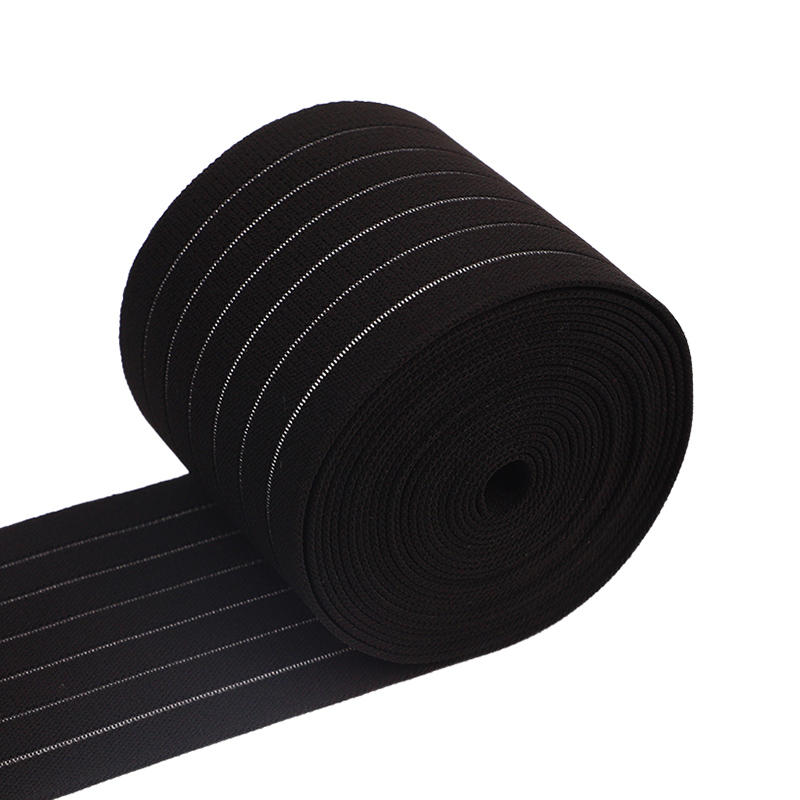

 en
en
 English
 русский
 Français
 Español
 Português
 Tiếng Việt
Content
- 1 Product Overview
- 2 Core Performance Characteristics
- 3 Advantages Compared with Ordinary Straps
- 4 Application Areas
- 5 Manufacturing Process and Technical Capability
- 6 Manufacturing Strengths of the Supplier
- 7 Customization Options
- 8 Quality Considerations for Buyers
- 9 Why Experienced Production Matters
- 10 Product Selection Guide
- 11 Installation and Use Recommendations
- 12 Sustainability and Responsible Supply
- 13 Business and Supply Advantages
- 14 Q&A
- 14.1 What is the width of the black and green elastic loop?
- 14.2 What does “elastic loop” mean?
- 14.3 Can it be used in orthopedic braces?
- 14.4 Is it suitable for medical protective equipment?
- 14.5 What are the main advantages over non-elastic webbing?
- 14.6 Why is the black and green color combination useful?
- 14.7 Can the color be customized?
- 14.8 Can the elasticity be customized?
- 14.9 What production equipment does the supplier use?
- 14.10 Does the supplier accept OEM and ODM orders?
- 14.11 What certifications does the company have?
- 14.12 How should buyers begin a project?
- 15 Conclusion
- 16 References
- 17 Product: 5cm Black And Green Elastic Loop
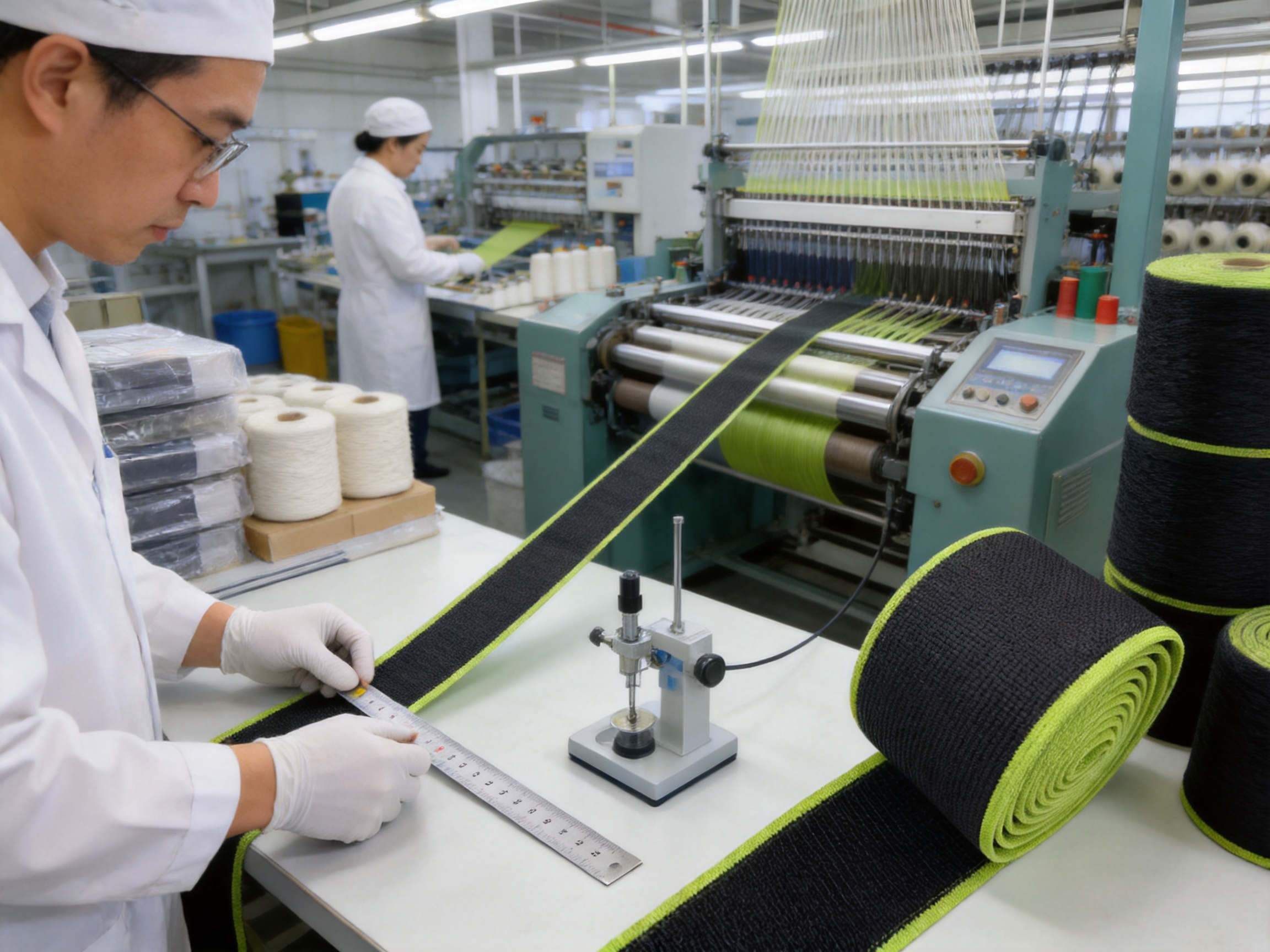
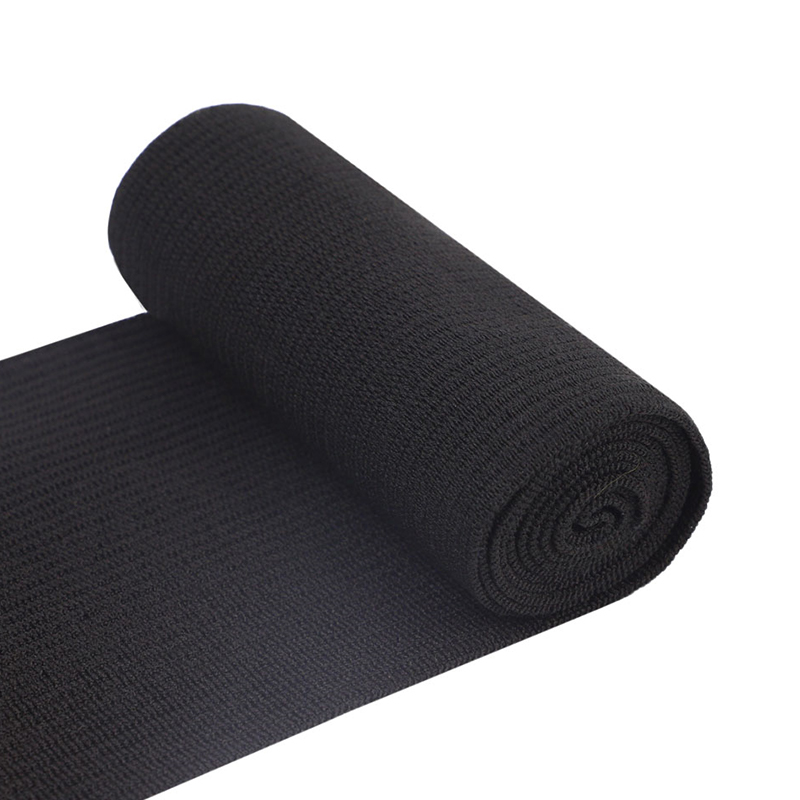
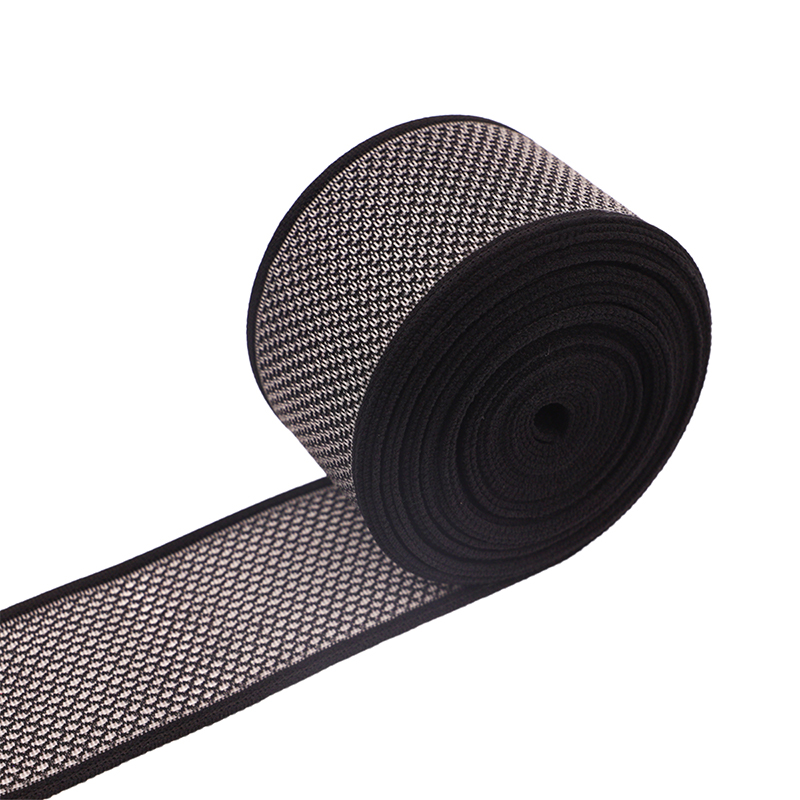
The 5cm black and green elastic loop is a versatile narrow-width webbing component designed for products that require controlled stretch, dependable recovery, secure holding, and convenient adjustment. With its compact 5cm width, contrasting black-and-green appearance, and loop-oriented construction, it can be incorporated into sports supports, orthopedic braces, medical protective equipment, garments, bags, accessories, and many other products that rely on flexible fastening or tension management.
Unlike ordinary rigid straps, an elastic loop can adapt to movement and changing pressure. It can help provide a close, comfortable fit while maintaining enough resilience to return toward its original length after repeated stretching. The black base and green accents also create a distinctive visual identity, making the material suitable for both functional equipment and consumer-facing products where appearance matters.
This article examines the product’s structure, performance advantages, possible applications, quality considerations, customization opportunities, and manufacturing background. It also explains why experienced webbing production, systematic quality control, modern equipment, and sector-specific knowledge are important when selecting an elastic loop for sports protection, medical support, and other demanding applications.
Product Overview
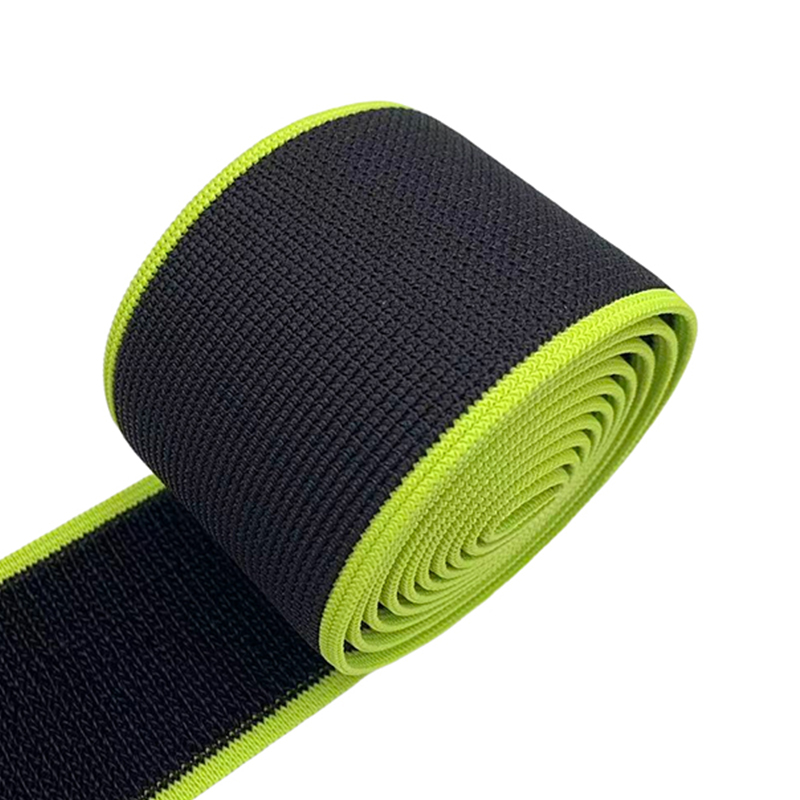
The 5cm black and green elastic loop belongs to the elastic hook and loop strap category. It is produced as a flexible webbing component with a nominal width of 5cm, or approximately 50mm. The loop format allows the material to be integrated into fastening systems, wrapped around a product, connected with complementary components, or used as a flexible retaining section.
Its black-and-green color combination gives the product a contemporary and energetic appearance. Black is widely used in medical, sports, industrial, and fashion products because it is practical, visually stable, and easy to coordinate with other materials. Green accents add contrast and improve product recognition without compromising the understated appearance of the black foundation.
The product is described as durable, flexible, and capable of reliable stretch and recovery. These characteristics are valuable when a strap must accommodate body movement, changing tension, repeated opening and closing, or minor differences in the size of the item being secured. The loop design further improves installation flexibility because it can be used as part of an adjustable attachment or bundling system.
Although the product is compact in width, it is not limited to small or lightweight applications. A correctly designed elastic loop can distribute tension over a broader surface than a very narrow band, reducing the concentration of pressure at a single line. This makes a 5cm width practical for many supports, braces, garment components, and accessory products that require a balance between flexibility and coverage.
Core Performance Characteristics
Controlled Elasticity
The main functional advantage of this product is its elastic behavior. The material can extend under an applied force and recover when the force is reduced. In a sports support, this behavior may help the strap follow the user’s movement. In a garment, it can improve fit and comfort. In an accessory or bundling application, it can maintain tension around objects with slightly different dimensions.
Controlled elasticity is different from simple softness. A soft strip may feel comfortable but fail to provide stable holding power. A very rigid strap may hold firmly but restrict movement or create uncomfortable pressure. A well-made elastic loop seeks a middle ground: it should provide sufficient resistance to movement while remaining flexible enough for practical use.
The most suitable stretch level depends on the final product. A medical support may require a carefully specified extension range, while a general accessory may prioritize convenience and visual appearance. For this reason, buyers should discuss width, material composition, stretch ratio, recovery behavior, finishing requirements, and intended application before confirming production.
Reliable Recovery
Recovery refers to the ability of elastic webbing to return toward its initial dimensions after being stretched. Good recovery helps the finished strap remain useful through repeated cycles. If recovery is poor, the strap may become loose, distorted, or less effective over time.
In practical use, elastic recovery is influenced by several factors, including fiber selection, yarn structure, weaving or knitting method, tension during production, heat treatment, finishing, environmental conditions, and the intensity and frequency of stretching. Professional manufacturing is therefore essential. The appearance of a webbing strip alone does not reveal its long-term recovery performance.
The 5cm black and green elastic loop is intended for applications where the material must remain flexible yet dependable. Its performance can be optimized through production parameters and customized according to the customer’s requirements. This is particularly important for orthopedic braces, sports supports, and other products in which inconsistent elasticity can affect both comfort and function.
Balanced Width
A 5cm width offers a practical balance between coverage, flexibility, and compact installation. A narrow elastic band may be suitable for small garment sections, but it may not distribute pressure effectively across a wider area. A much wider band can provide greater coverage but may be more difficult to fold, route, stitch, or integrate into a compact design.
The 5cm format is broad enough to create a visible and stable support section while remaining easy to handle during sewing and assembly. It can be used as a primary strap, a reinforcing section, a looped attachment, or a flexible panel component. Designers can also combine it with buckles, hook-and-loop fasteners, labels, binding tape, foam, fabric shells, or molded accessories.
Durable Construction
Durability is essential when webbing is exposed to repeated tension, friction, folding, stitching, washing, perspiration, or changing environmental conditions. The product’s durable elastic construction is intended to support repeated handling and everyday use. Its suitability for a particular application should be verified through samples and application-specific testing.
Durability does not depend only on the raw material. Yarn uniformity, webbing density, edge formation, color fixation, dimensional control, and finishing quality all influence the final result. A strap with uneven edges or inconsistent density may be difficult to sew and may develop weak points during use. Advanced production equipment and experienced operators help reduce these risks.
Distinctive Visual Design
The black and green combination provides a useful advantage over plain single-color webbing. Color can help distinguish product versions, identify left and right components, reinforce a sports-oriented design, or create a recognizable appearance for a finished brand or product line.
Black is also practical for products that may encounter dust, perspiration, handling marks, or frequent use. Green can be used as a stripe, accent, edge, or woven visual element depending on the final construction. The contrast may improve visual coordination with sports clothing, rehabilitation equipment, outdoor accessories, protective products, and modern fashion items.
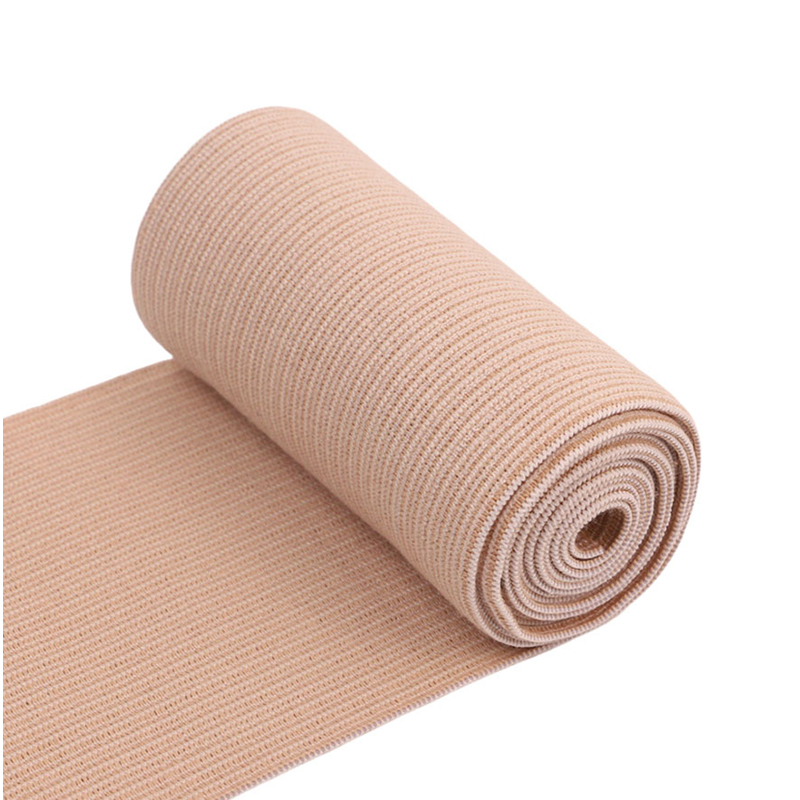
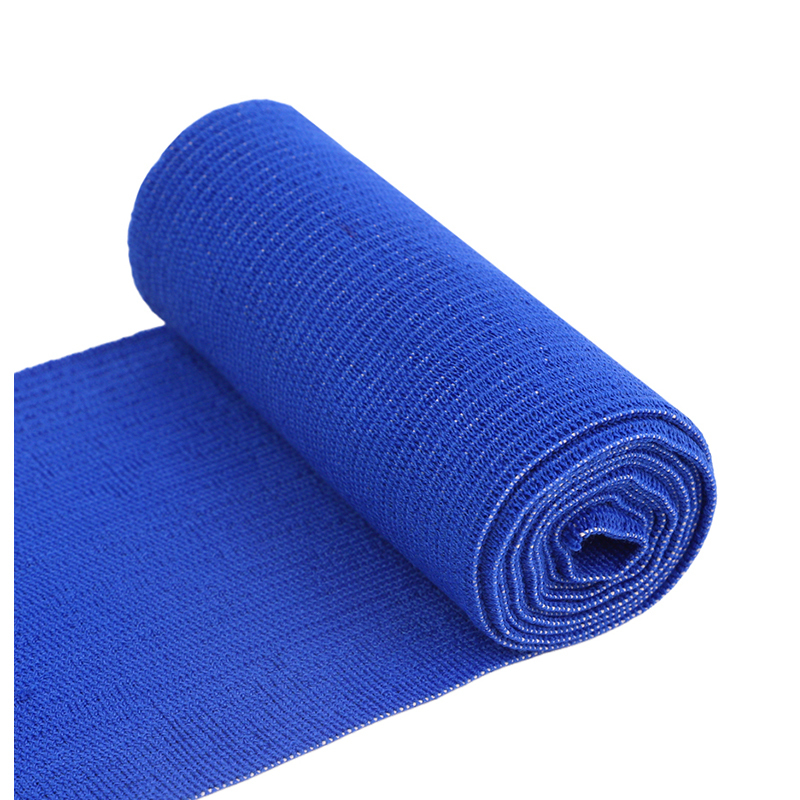
5cm Black And Green Elastic Loop
Advantages Compared with Ordinary Straps
More Adaptable Than Non-Elastic Webbing
Non-elastic webbing is useful when a fixed length and stable dimension are required. However, it cannot naturally accommodate body movement or changes in the size of the item being secured. If a rigid strap is tightened too much, it may become uncomfortable. If it is left loose, it may fail to hold the product securely.
An elastic loop provides a degree of adaptability that ordinary non-elastic tape cannot offer. It can respond to movement and moderate changes in tension while continuing to exert a holding force. This makes it well suited to supports and wearable products, where the user’s body does not remain completely still.
More Functional Than Decorative Elastic
Some elastic materials are designed mainly for decorative garment use and may not have the structure needed for repeated tension or secure attachment. The 5cm black and green elastic loop is positioned as a functional webbing component. Its purpose is not only to add color or softness but also to contribute to holding, adjustment, tension distribution, and product assembly.
Functional webbing must be evaluated by more than visual appeal. It should have consistent width, stable edges, suitable elasticity, acceptable recovery, and compatibility with sewing or other assembly processes. These characteristics can reduce production problems and improve the reliability of the finished item.
More Visually Distinctive Than Plain Black Webbing
Plain black webbing is widely available and remains useful, but it may not distinguish one product from another. The green accent in this elastic loop can provide a recognizable design feature without requiring an additional printed label or decorative overlay.
Color contrast may also help with assembly. In a multi-component product, a colored section can make it easier for operators to identify the correct strap orientation or position. For consumers, the contrasting color can suggest activity, energy, freshness, and modern technical design.
More Versatile Than a Single-Purpose Fastening Strip
A specialized fastening strip may be effective in one particular configuration but difficult to adapt to other products. An elastic loop has broader potential because it can be sewn, folded, wrapped, routed, or combined with other fastening components. This makes it useful for OEM and ODM projects in which the customer may need multiple dimensions, colors, or performance specifications.
Its versatility can also simplify product development. The same general webbing platform may be tested in a sports support, a medical brace, a protective sleeve, or an accessory item, with adjustments made to length, tension, stitching pattern, and complementary hardware.
Application Areas
Sports Supports and Protective Equipment
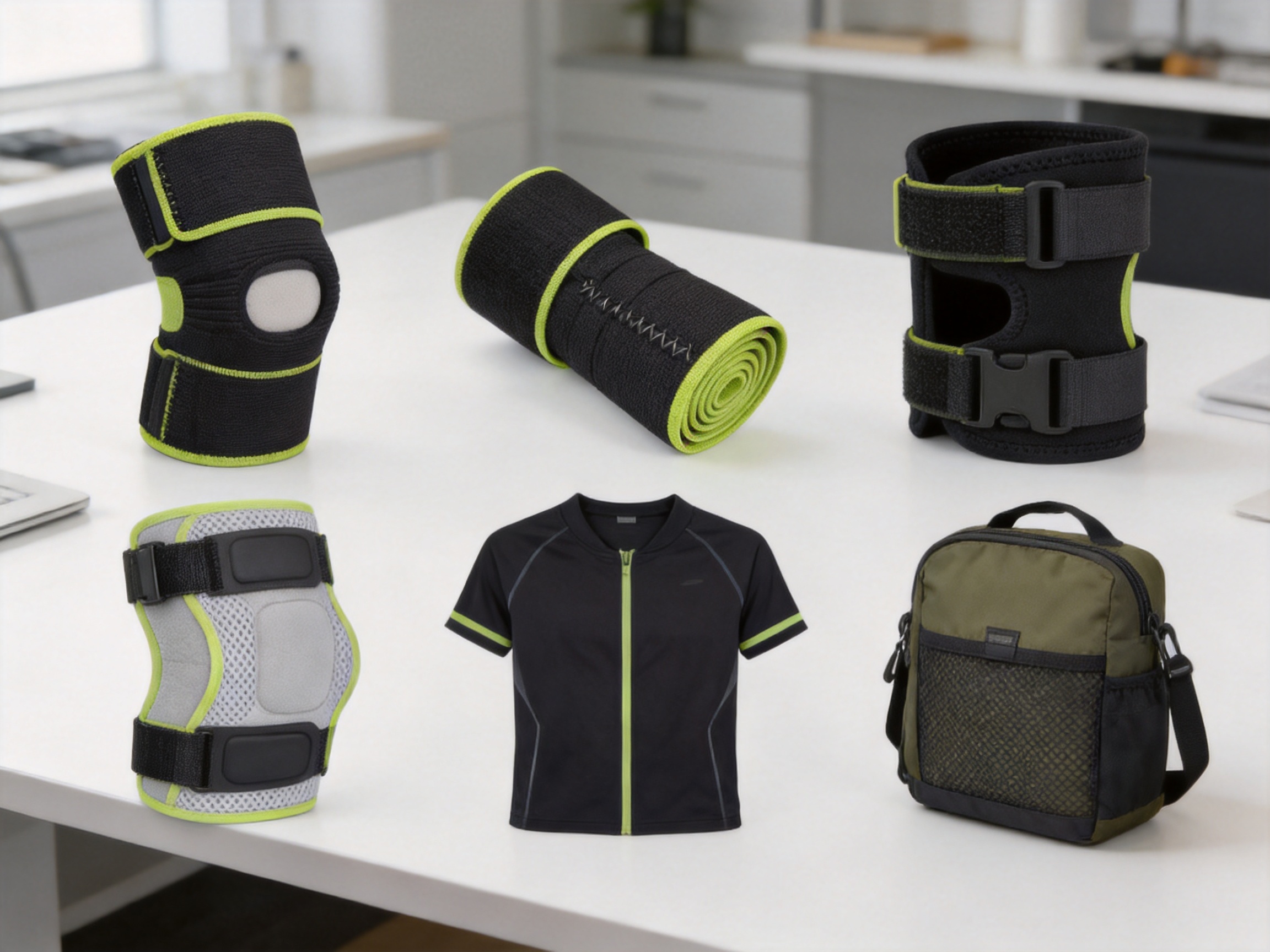
Sports supports frequently require materials that can maintain contact with the body while allowing controlled movement. Elastic webbing can be used in knee supports, elbow supports, wrist braces, ankle supports, shoulder products, waist supports, and protective sleeves. The 5cm width can provide a stable strap section without overwhelming the overall design.
For sports equipment, the black and green appearance may complement athletic clothing and create a technical, active visual style. The elastic loop can be positioned as a main adjustment strap, a secondary stabilizing section, or a loop used to anchor another fastening component.
Sports applications often involve repeated stretching, sweat, friction, bending, and washing. Product developers should therefore establish performance requirements before production. These may include extension under a specified load, recovery after repeated cycles, color fastness, seam strength, edge stability, and resistance to expected cleaning methods.
Orthopedic Braces
Orthopedic braces require careful attention to fit, pressure distribution, adjustability, and user comfort. An elastic loop can help a brace conform to the body while maintaining a secure position during normal movement. It may be combined with foam padding, breathable mesh, molded supports, rigid stays, hook-and-loop closures, or non-elastic reinforcement straps.
The product’s 5cm width can help spread tension over a practical area. This may reduce the risk of a narrow strap cutting into the skin when the brace is worn correctly. Nevertheless, the complete brace design must be assessed as a system. A suitable elastic webbing cannot compensate for poor pattern design, incorrect sizing, unsuitable padding, or inadequate fastening placement.
For orthopedic products, consistency from batch to batch is especially important. If elasticity changes significantly between production lots, the final brace may fit differently even when all other components remain unchanged. Professional quality control and documented specifications help support repeatable assembly.
Medical Protective Equipment
Medical protective products may use elastic webbing in waist supports, limb supports, compression-related accessories, rehabilitation products, and adjustable protective garments. The material can contribute to a secure fit while allowing the product to accommodate ordinary movement.
When webbing is intended for medical or healthcare-related equipment, the buyer should define the regulatory and performance requirements of the finished product. Factors such as skin contact, cleaning, sterilization, biocompatibility, chemical exposure, and traceability may need to be considered depending on the application and market.
The manufacturer’s ISO 13485 certification is relevant to its experience with quality management for medical-device-related production environments. Certification does not automatically approve every finished product for every medical use, but it demonstrates the importance placed on controlled processes, documentation, and quality systems.
Garments and Apparel Accessories
The elastic loop can be integrated into sportswear, workwear, uniforms, outdoor clothing, protective garments, and fashion accessories. It may be used for adjustable closures, internal support sections, waist components, sleeve or leg adjustments, equipment attachments, and decorative functional panels.
In garments, comfort and appearance are equally important. The strap should be compatible with the garment fabric, sewing thread, seam allowance, and washing instructions. The black and green design can be exposed as a visual feature or concealed inside the garment as a functional component.
Bags and Outdoor Accessories
Bags, backpacks, equipment cases, protective covers, and outdoor accessories often require flexible retention systems. An elastic loop can hold a rolled item, organize a cable or accessory, stabilize a pocket opening, or provide an adjustable attachment point.
For outdoor use, designers should consider exposure to sunlight, moisture, temperature changes, abrasion, and dirt. The appropriate material structure and finishing process should be selected according to the expected environment. Testing a finished assembly under realistic conditions is recommended before large-scale production.
Bundling and General Product Assembly
The loop format can also be used for bundling or organizing items that require flexible restraint. Potential examples include equipment organizers, reusable storage products, tool accessories, and lightweight packaging components. In these applications, the elastic loop can be designed for convenient attachment and release rather than permanent closure.
Its usefulness in general assembly comes from the combination of stretch, manageable width, and easy integration. It can be sewn into a loop, joined to a panel, or used with complementary fastening hardware. The final configuration should account for the load, number of cycles, edge contact, and required safety margin.
Manufacturing Process and Technical Capability
Material Selection and Preparation
Reliable webbing production begins with appropriate material selection. Elastic yarns, supporting yarns, and color components must be chosen according to the required stretch, recovery, hand feel, width, appearance, and intended use. A medical support, for example, may require a different balance of softness and resistance than a general accessory.
Before production, raw materials should be checked for uniformity, contamination, color consistency, and compatibility with the planned machine settings. Proper preparation helps reduce variation during weaving or knitting. It also supports stable production when large quantities are required.
Warping
Warping prepares yarns for subsequent webbing production by arranging them in the required order and tension. Accurate warping is important because irregular yarn tension can lead to variations in density, width, edge quality, and visual pattern.
Modern warping equipment can improve production consistency and help operators manage the arrangement of multiple yarns. For a black and green product, careful yarn placement is necessary to create a balanced color effect and prevent unwanted irregularities along the length of the webbing.
Knitting and Weaving
Elastic webbing may be produced through knitting, weaving, or a related construction method depending on the desired performance. Knitted structures can provide flexibility and softness, while woven structures can offer stable edges, controlled dimensional behavior, and a firm surface. The correct method depends on the customer’s specification.
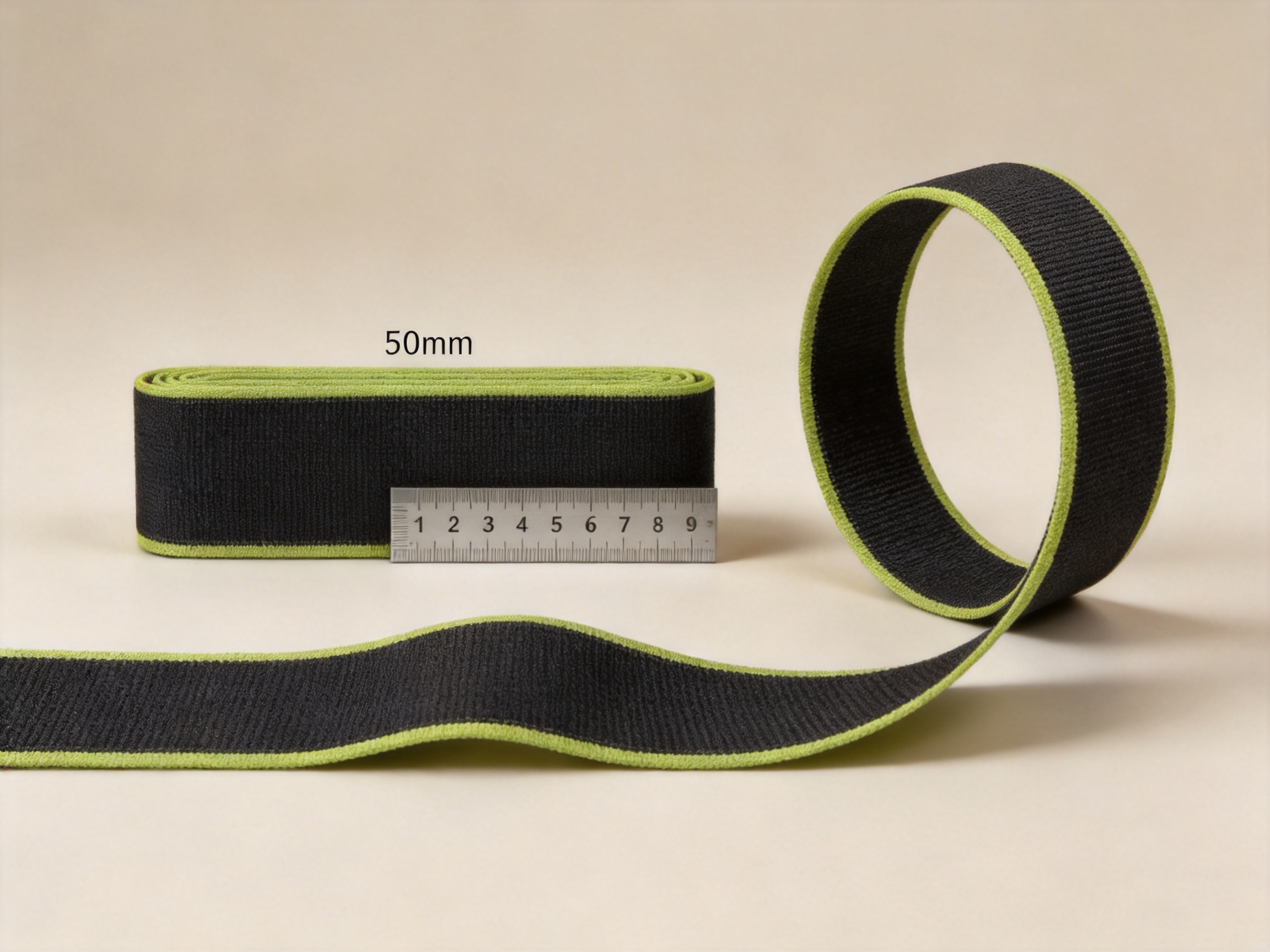
The manufacturer operates knitting machines and woven machines as part of its production capability. These machines allow the company to produce different elastic and non-elastic webbing constructions for sports supports, orthopedic braces, medical protective equipment, garments, and accessories.
During production, machine speed, yarn tension, density, width, color arrangement, and elastic insertion must be controlled. Small variations can affect the way a strap feels, stretches, recovers, and performs during sewing. Experienced operators and established process parameters help maintain a consistent product.
Color and Pattern Control
The black and green appearance requires attention to color matching and pattern repeat. Color components should be checked against approved samples or customer standards. Inconsistent color can reduce the visual quality of the finished product and create difficulties when several components are assembled together.
Color control is not only an aesthetic issue. In some product lines, colors distinguish product models, sizes, functions, or market versions. A reliable manufacturer should retain production records and reference samples to support repeat orders and reduce unnecessary variation between batches.
Finishing and Dimensional Stabilization
After the primary webbing structure is formed, finishing processes may be used to improve dimensional stability, handle, appearance, and suitability for assembly. The exact treatment depends on the material composition and customer requirements.
Finishing can influence softness, surface friction, color appearance, edge behavior, and recovery. It must be carefully controlled because excessive treatment may reduce elasticity or make the webbing too stiff, while insufficient stabilization may result in dimensional changes during later sewing or washing.
Inspection and Testing
Quality inspection should cover both visual and functional characteristics. Typical checks may include width, thickness, color, surface condition, edge integrity, stretch, recovery, breaking strength, and length. The specific test methods should be selected according to the product’s intended use and the buyer’s technical requirements.
For products used in medical protective equipment or orthopedic braces, traceability and documented inspection are particularly valuable. Records can help identify the raw material batch, production date, machine, operator, inspection result, and packaging information. These controls support stable supply and make it easier to investigate any later issue.
Packaging and Delivery Preparation
Packaging protects the webbing from moisture, dust, compression, tangling, and handling damage during storage and transport. Rolls, coils, or other packaging formats can be selected according to the customer’s equipment and production workflow.
Clear labeling should identify the product name, color, width, quantity, lot information, and any customer-specific reference. Proper packaging also helps buyers organize materials when multiple webbing styles are delivered for the same project.
Manufacturing Strengths of the Supplier
Jinhu Hengxiang Webbing Co., Ltd. was established in 2005 and is located in Jinhu County, Huai’an City, Jiangsu Province, China. With more than 20 years of professional experience, the company focuses on elastic webbing and non-elastic webbing, particularly for sports supports and orthopedic braces.
The company’s production scope includes research, development, manufacturing, sales, and service. This integrated capability is valuable for customers that need more than a standard catalog item. Instead of receiving only a fixed product, buyers can discuss their target elasticity, texture, color, width, and application requirements with a manufacturer experienced in webbing development.
Hengxiang has introduced and updated production equipment, including warping machines, knitting machines, woven machines, and packaging machines. A coordinated equipment base supports multiple stages of production and can improve control over the manufacturing process. It also allows the supplier to provide both elastic and non-elastic webbing for related products.
The company produces millions of meters of webbing every month. This production scale can support regular supply programs, OEM orders, ODM development, and larger-volume purchasing. At the same time, a high-volume operation must be supported by careful process management so that output does not come at the expense of consistency.
Strict quality control is applied across material sourcing, processing, testing, and packing. This full-process approach is stronger than relying only on final inspection. Preventive controls at the raw material and production stages can reduce the likelihood of defects reaching the final packing area.
The company has obtained Oeko-Tex Standard 100 and ISO 13485 certificates. Oeko-Tex Standard 100 is associated with testing textiles for certain harmful substances, while ISO 13485 relates to quality management systems for medical devices. Customers should confirm the scope and current validity of certifications in relation to their specific project, but these credentials indicate a structured quality orientation.
Hengxiang serves customers in China and exports to North America, Eastern Europe, the Middle East, South Asia, and other regions. International supply experience can be useful when customers require clear communication, consistent documentation, packaging coordination, production scheduling, and export preparation.
The company also welcomes OEM and ODM orders. This is important for buyers developing proprietary supports, braces, garments, accessories, or medical protective products. Customization may include the elastic level, width, color arrangement, texture, finishing, roll length, packaging, and other production details.
Customization Options
Width and Length
The standard product width is 5cm, but buyers may require different widths for different designs. Width affects coverage, pressure distribution, visual proportion, sewing space, and the amount of material used in each finished item. A technical drawing or approved physical sample can help define the acceptable tolerance.
Length can be supplied according to production requirements. Some customers may prefer standard rolls for automated cutting, while others may require pre-cut pieces or looped sections. The appropriate format depends on the buyer’s assembly line and the final product design.
Elasticity and Recovery
Elasticity should be specified using measurable requirements rather than general terms such as “soft” or “strong.” Buyers may need to define the stretch percentage, load at a particular extension, recovery after a set period, and performance after repeated cycles.
Different applications have different priorities. A rehabilitation support may require moderate and controlled extension, while an accessory loop may prioritize ease of use. The manufacturer can assess the project and recommend a suitable structure based on the desired balance of comfort, holding power, and durability.
Color and Appearance
The black and green design can serve as a reference for custom color development. Customers may request different accent colors, stripe arrangements, edge colors, or color proportions. Color approval should normally be based on physical samples or an agreed color standard because digital screens do not reproduce textile color with complete accuracy.
Appearance may also involve texture, gloss, softness, edge shape, and surface pattern. These details can influence both the perceived quality and the performance of the finished product.
Texture and Hand Feel
Hand feel is important in products worn directly against the body. A material that is technically strong but rough or excessively rigid may reduce user comfort. Conversely, a very soft material may not provide the required stability.
Texture can be adjusted through yarn selection, construction, density, and finishing. Sampling is recommended so that the customer can evaluate the webbing together with the actual fabric, padding, fasteners, and stitching method used in the final product.
Packaging and Private-Label Requirements
OEM and ODM customers may need customized labels, roll lengths, packing units, carton marks, or product identification. Clear packaging specifications can make warehouse handling and production scheduling more efficient.
Private-label packaging should be discussed early because it may require artwork approval, minimum order quantities, special materials, or additional production time. The webbing itself can remain a functional component while the outer packaging supports the customer’s market identity.
Quality Considerations for Buyers
Define the Final Application
The same elastic webbing may perform differently in different products. A strap used inside a brace may be protected from abrasion, while a strap exposed on the outside of a sports accessory may face more friction and sunlight. Buyers should describe the complete use environment before selecting a specification.
Important information may include the user’s movement, expected load, number of stretch cycles, contact with skin, cleaning method, temperature range, moisture exposure, sewing process, and required service life.
Request Samples
Samples allow customers to inspect color, width, stretch, recovery, surface texture, edge quality, and compatibility with other components. A sample should ideally be tested in the intended assembly rather than judged as an isolated strip.
For example, a customer can sew the elastic loop into the proposed brace fabric, attach the planned hook-and-loop component, and evaluate the fit during simulated movement. This practical test may reveal issues that are not visible during a simple hand inspection.
Confirm Tolerances
Width, thickness, length, elasticity, color, and recovery should have agreed tolerances. Textile products naturally have some variation, but undefined variation can lead to misunderstandings between suppliers and buyers.
A technical specification should identify the target value, acceptable range, test method, and inspection conditions. This documentation is especially helpful when the material is reordered over an extended period.
Evaluate Sewing Performance
Elastic webbing must work with the customer’s sewing equipment and thread. Excessive thickness, unstable edges, or unsuitable tension can create skipped stitches, puckering, seam distortion, or needle damage. Buyers should test the material using the actual sewing pattern and machine settings whenever possible.
The number of stitches, seam allowance, stitch type, thread tension, and reinforcement pattern can all affect finished performance. A webbing supplier can offer useful recommendations, but the buyer remains responsible for validating the complete product design.
Consider Compliance Requirements
Compliance requirements vary by country, market, and product category. A textile used in a general accessory may have different requirements from a component used in a medical device or protective product. Buyers should identify the regulations and customer standards that apply to the finished item.
Certificates such as Oeko-Tex Standard 100 and ISO 13485 may support a quality evaluation, but they should be reviewed in context. Customers should request current documentation and confirm whether the certification scope covers the relevant manufacturing activities and materials.
Why Experienced Production Matters
Elastic webbing appears simple, but its performance depends on a combination of material science, machine control, tension management, construction design, and finishing. Small changes in yarn tension or density can change the hand feel and extension behavior. An inexperienced supplier may reproduce the color and approximate width but fail to deliver stable performance.
A manufacturer with long-term specialization can draw on accumulated knowledge from different products and industries. Experience with sports supports, orthopedic braces, and medical protective equipment helps the supplier understand how webbing interacts with body movement, pressure, seams, fasteners, and repeated use.
Experienced production also improves communication. When a buyer provides a sample or describes a performance problem, a specialized manufacturer may be able to identify whether the issue is related to construction, raw materials, finishing, sewing, or product design. This can shorten the development process and reduce unnecessary trial and error.
For overseas buyers, stable export experience is another advantage. International orders involve more than manufacturing. They require accurate documentation, careful packaging, reliable scheduling, communication across time zones, and attention to shipping conditions. A supplier familiar with these requirements can make the purchasing process more predictable.
Product Selection Guide
| Evaluation Item | What to Confirm | Why It Matters |
|---|---|---|
| Width | Target width and acceptable tolerance | Influences coverage, pressure distribution, appearance, and sewing space |
| Elasticity | Stretch percentage, load, and extension behavior | Determines fit, holding force, and user comfort |
| Recovery | Return behavior after stretching and repeated cycles | Helps maintain long-term functionality |
| Color | Black base, green accent, and approved color reference | Supports appearance, product identification, and repeat-order consistency |
| Surface and edge | Texture, softness, thickness, and edge stability | Affects skin comfort, abrasion, and sewing performance |
| Assembly | Stitch type, fastener compatibility, and attachment method | Ensures the webbing performs correctly in the finished product |
| Environment | Washing, moisture, sunlight, chemicals, and temperature | Helps determine suitable materials and testing requirements |
| Packaging | Roll length, labels, cartons, and protection during transport | Improves warehouse handling and production efficiency |
This checklist can help buyers prepare a complete inquiry. Providing detailed information at the beginning allows the manufacturer to recommend a more appropriate construction and reduces the risk of receiving a material that is technically attractive but unsuitable for the intended assembly.
Installation and Use Recommendations
The elastic loop should be installed with attention to direction, tension, seam strength, and contact with surrounding components. If the strap is sewn while excessively stretched, the finished product may contract more than expected or create unwanted pressure. If it is sewn without sufficient tension, it may not provide the required holding force.
The correct sewing pattern depends on the load and application. High-tension points may require box stitching, bar tacks, multiple rows of stitching, reinforcement patches, or a combination of attachment methods. The webbing should not be allowed to rub against sharp edges or unfinished hardware.
When used in a wearable product, the design should avoid concentrated pressure, twisting, and unnecessary contact with rough seams. The strap should lie flat and should not interfere with circulation, natural movement, or the operation of other closures.
Finished products should be tested under realistic conditions. Testing may include repeated stretching, opening and closing, washing, simulated movement, abrasion, and load holding. The precise test plan should be based on the product category and intended market.
Sustainability and Responsible Supply
Responsible webbing production includes attention to material efficiency, process control, packaging, product durability, and waste reduction. A durable strap that remains functional for a longer period may reduce the frequency of replacement. Accurate cutting and stable production can also reduce material waste during assembly.
Modern equipment can support more consistent output and help reduce defects. Better control of yarn arrangement, machine tension, production speed, and packaging can improve resource efficiency. Customers may also discuss recycled or preferred materials where appropriate, provided that the required elasticity, recovery, strength, color, and compliance characteristics can be maintained.
The Oeko-Tex Standard 100 certification associated with the manufacturer reflects attention to textile safety criteria within the certification scope. Buyers with specific environmental or chemical requirements should still request current documentation and clarify the requirements for the complete finished product.
Sustainability also involves long-term business relationships. Stable quality, reasonable lead times, accurate communication, and continuous improvement can reduce the costs and waste associated with repeated sampling, rejected shipments, emergency replacement, and inconsistent assembly.
Business and Supply Advantages
The supplier’s combination of manufacturing experience, product specialization, equipment investment, certification, and customization capability provides several advantages for professional buyers.
First, the company can support both standard and customized webbing requirements. This is useful when a buyer needs the 5cm black and green elastic loop for an existing product but may later require different colors, widths, elasticity levels, or related non-elastic components.
Second, the company’s focus on sports protection and medical protective equipment means that its product development experience is connected to applications where comfort, stability, and repeatability matter. This background can support more informed technical discussions than a supplier focused only on decorative textile tape.
Third, the company’s production equipment covers warping, knitting, weaving, and packaging. A broad process base can improve coordination and support different construction types. It also gives customers access to a wider range of elastic and non-elastic webbing solutions from one source.
Fourth, the company’s monthly production capacity of millions of meters can support regular supply programs and larger orders. Capacity should always be confirmed against the required specification, delivery schedule, and order quantity, but established production scale is a positive factor when supply continuity is important.
Fifth, OEM and ODM support allows customers to develop products that are not limited to a standard catalog description. Technical collaboration can help align the webbing with a customer’s pattern, assembly method, performance target, and market requirements.
Finally, the company’s export experience across multiple regions suggests familiarity with international purchasing and delivery processes. Buyers can work with the supplier to clarify samples, specifications, inspection, packaging, documentation, and shipment planning before placing a production order.
Q&A
What is the width of the black and green elastic loop?
The product has a nominal width of 5cm, or approximately 50mm. Buyers should confirm the acceptable width tolerance with the supplier when the material will be used in a precision assembly or automated production line.
What does “elastic loop” mean?
An elastic loop is a flexible strap or webbing component designed to stretch and recover while functioning as a loop, attachment section, or retaining element. It can be sewn into a product, connected to another fastening component, or used to hold and organize items.
Can it be used in orthopedic braces?
It is suitable for consideration in orthopedic braces and sports supports because it combines a practical 5cm width with flexible stretch and recovery. The complete brace must be tested for fit, pressure, comfort, seam strength, and performance under realistic movement.
Is it suitable for medical protective equipment?
It may be used as a component in medical protective equipment or related support products, depending on the design and applicable requirements. Buyers must evaluate the complete finished product and confirm any required material, safety, cleaning, traceability, and regulatory documentation.
What are the main advantages over non-elastic webbing?
The primary advantages are adaptability, stretch, recovery, and improved ability to follow movement or accommodate moderate changes in tension. Non-elastic webbing remains valuable for fixed structural applications, but elastic webbing is often more suitable when comfort and adjustability are important.
Why is the black and green color combination useful?
The black base provides a practical and versatile appearance, while the green accent creates contrast and visual recognition. The combination can support sports-oriented designs, product differentiation, component identification, and modern garment or accessory styling.
Can the color be customized?
Customization may be available for color, accent arrangement, texture, and other appearance details. Buyers should provide an approved physical sample or recognized color reference and request a pre-production sample before confirming bulk production.
Can the elasticity be customized?
Elasticity, stretch ratio, recovery behavior, and hand feel can generally be discussed during product development. The final specification should be based on measurable requirements and validated through samples and application testing.
What production equipment does the supplier use?
The supplier has introduced and updated warping machines, knitting machines, woven machines, and packaging machines. These capabilities support the production of elastic and non-elastic webbing in different constructions and formats.
Does the supplier accept OEM and ODM orders?
Yes. OEM and ODM orders are welcome. Customers can discuss customized elasticity, texture, color, width, packaging, and other specifications according to the requirements of their finished product.
What certifications does the company have?
The company has obtained Oeko-Tex Standard 100 and ISO 13485 certificates. Buyers should request current certificates and confirm their scope and applicability to the specific product and finished application.
How should buyers begin a project?
Buyers should provide the intended application, target width, required length or roll format, color reference, stretch and recovery expectations, sewing method, expected environment, estimated quantity, packaging needs, and any compliance requirements. A sample and technical discussion can then be used to confirm the appropriate construction.
Conclusion
The 5cm black and green elastic loop is a practical webbing solution for products that require a combination of flexibility, reliable recovery, secure holding, and distinctive appearance. Its 5cm width offers useful coverage while remaining manageable for sewing and assembly. The black-and-green design adds visual contrast, and the elastic loop format supports adjustment, attachment, bundling, and tension control.
Compared with ordinary non-elastic webbing, it can better accommodate movement and changing tension. Compared with decorative elastic, it is intended to provide a more functional role in supports, braces, garments, accessories, and protective products. Its actual suitability should always be confirmed through application-specific sampling and testing.
Jinhu Hengxiang Webbing Co., Ltd. strengthens the product offering through long-term manufacturing experience, specialized knowledge of sports and medical support applications, updated warping, knitting, weaving, and packaging equipment, strict quality control, international supply experience, and OEM and ODM development capability. The company’s Oeko-Tex Standard 100 and ISO 13485 certifications further reflect a structured approach to textile safety and quality management within their applicable scopes.
For buyers seeking a dependable elastic webbing partner, the most effective approach is to define the finished product requirements clearly, evaluate samples in the intended assembly, confirm tolerances and test methods, and establish a documented specification for repeat orders. With the right construction and controlled manufacturing process, the 5cm black and green elastic loop can provide a durable and visually distinctive component for professional sports, medical, garment, accessory, and general fastening applications.
References
1. Jinhu Hengxiang Webbing Co., Ltd. Company information and product specification for the 5cm black and green elastic loop.
2. ISO 13485, Medical Devices—Quality Management Systems—Requirements for Regulatory Purposes.
3. Oeko-Tex Association. Standard 100 requirements for testing textiles for harmful substances.
4. Textile Institute. Fundamentals of Textile Materials, Webbing Construction, and Textile Performance Evaluation.
5. General principles of elastic webbing testing, dimensional measurement, recovery evaluation, seam performance, and application validation.